

Car manufacturing has come a long way since the days of the Ford Model T. During that era, the ability to move from point A to point B was the only concern.
As vehicles advanced and production increased, more factors entered the equation, including style, performance, safety, ergonomics, etc.
But the question remains: what actually makes a car great? Well, here are 15 characteristics to consider.
Performance
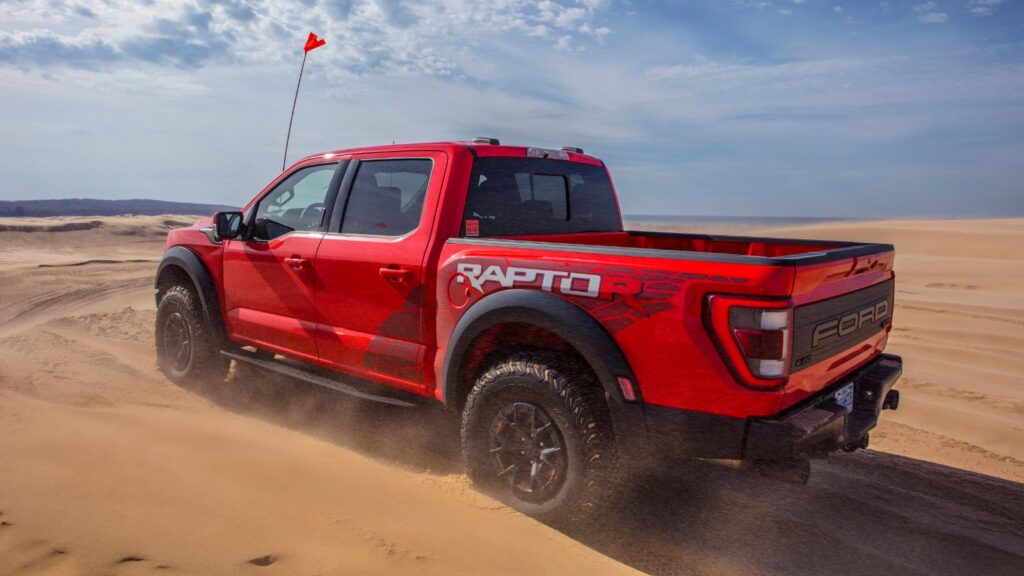
Whether a sports car or a typical family SUV, performance matters: acceleration, handling, driving dynamics, etc. As long as these aspects are average or above, you’re on the right track to purchasing a great vehicle.
Performance has also taken on a whole new definition over the past decade. It is not just about how the engine works or how much horsepower it generates. Electric power can do the same, if not more, regarding current models.
Reliability

A great car must be dependable and require few repairs over the first five years. This means the build quality must be so good that it facilitates transport and comfort over several years without needing repair.
Due to manufacturers’ capitalist tendencies, cars that satisfy this requirement are becoming few and far between in the current market. Regardless, some fit the bill and are good options to purchase.
Safety Features

Current models should have standard features like airbags, traction control, and ABS. However, great cars have advanced safety features, including automatic emergency braking, lane-keeping assistance, and adaptive cruise control. They also have a high crash test rating to show they are better than other options in the market.
Comfort

To qualify as a ‘good ride,’ the cabin should feel stable and comfortable while driving. It also means the interior should be pleasing to the eye.
Sufficient headroom and legroom in the front, as well as the back, demonstrate that comfort is a priority. The vehicle should have sufficient space for adults of all sizes. Lastly, comfort also covers trunk space, which should be large enough to provide a reasonable amount of space.
Fuel Efficiency
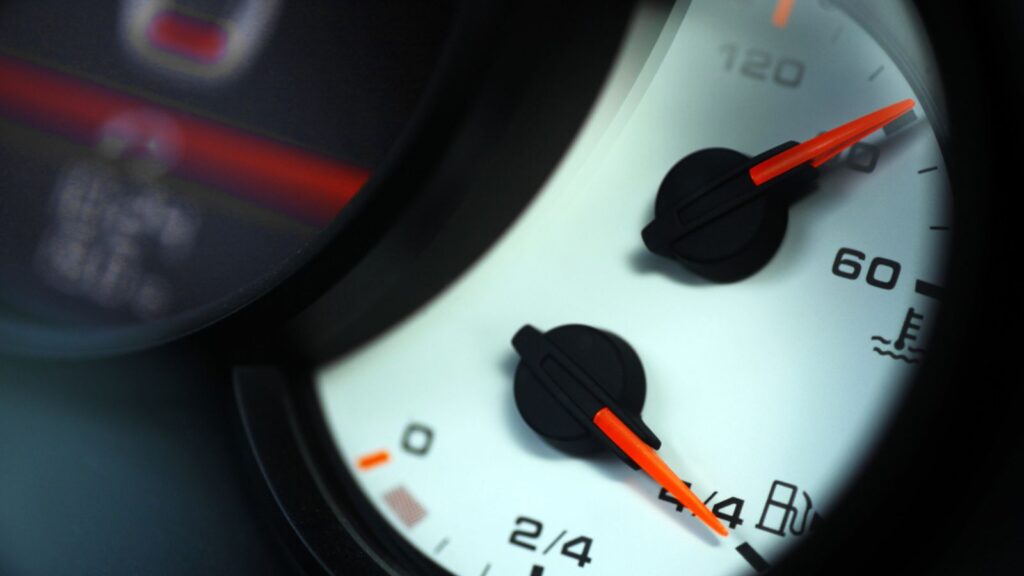
A great car should balance performance and fuel economy—how far a vehicle can travel on one liter of gasoline or the number of miles per gallon. It should be able to deliver great mileage while still providing the necessary power. This is pertinent, particularly in an era focused on sustainability and reduced emissions.
Technology and Infotainment

Modern vehicles have infotainment screens that control media settings, cabin customization, connectivity, and driving dynamics. Great cars should have high-level infotainment systems, large screens, and excellent ergonomics, and they should be easy to use and highly responsive. Features like Apple CarPlay and Android Auto may be bundled into a responsive system, complete with voice control.
Design and Aesthetics

The outward appearance of a vehicle is critical to its quality because it is the first line of attraction. Consumers only typically buy a car if it optically stimulates them. A vehicle should look great both inside and out to have this appeal. That includes high-end materials for fit and finish within the cabin.
Eco-friendliness and Sustainability

Due to climate change concerns, customers increasingly seek vehicles oriented toward sustainability. This has prompted manufacturers to pay extra attention to manufacturing approaches, ensuring they utilize as many environmentally friendly processes as possible. A great vehicle should be engineered for reduced or zero emissions, whether through fuel-efficient engines or fully electric systems.
Ride Quality

Ride quality is crucial in determining how comfortable a vehicle feels to its occupants. It’s primarily influenced by a vehicle’s suspension system, which needs to be well-tuned to handle bumps and uneven roads without causing discomfort. A smooth ride makes a significant difference on long road trips and when driving over rough terrain, helping passengers feel less fatigued and making the journey more enjoyable.
Handling

Handling refers to how well a car responds to the driver’s input and maintains control on the road. A car that handles predictably and responsively is more enjoyable to drive and gives the driver confidence to use different speeds and maneuvers based on the situation. Good handling considers critical factors such as cornering ability, steering precision, and stability.
Customization Options

Having a car that is easy to customize is a plus. Some vehicles have parts or systems that are so unique that they do not pair well with add-ons in the market. These vehicles are not flexible enough to use emerging technologies, so they do not improve with time. Customizable vehicles can work with many systems and appeal to a wider range of clients.
Towing Capacity

A high towing capacity is an important consideration for larger vehicles like trucks and SUVs. These vehicles should be able to tow heavy loads while maintaining stability and control. Exceeding the towing limit can lead to serious problems, such as reduced control, longer stopping distances, and even mechanical failures. Ensuring the vehicle can handle the load safely is key to preventing accidents and wear on the vehicle.
Innovation

Innovation in a vehicle shows its ability to embrace and adapt to emerging technologies that set it apart from others in its class. It involves creative advancements that change the way cars typically function. This could include autonomous driving features, state-of-the-art infotainment systems, or advanced safety technologies. These innovations push the boundaries of what a car can do, enhancing both the driving experience and overall vehicle performance.
Brand Reputation

Brand names are significant because they influence how a car is perceived in terms of quality and potential reliability. If a brand is known for build quality and performance, there is a strong potential that the next model produced will have these attributes. Unfortunately, even a model that ticks these boxes will probably not attract the same attention if the brand it hails from is known for cutting corners.
Maintenance Cost

Maintenance costs are essential when choosing a great car because they allude to reliability. Vehicles with minimal servicing or repair costs are less of a headache than those more susceptible to failures. A great car should be able to run for some time before requiring attention or part replacement aside from the typical routine services.
How Do You Define a Great Car?

Great cars have definable attributes that separate them from the rest of the pack. They should be reliable, enjoyable to drive, and equipped with the latest technology of their time. They should also be adaptable, capable of performing well in various environments, and built to withstand challenging conditions.
While they may come with a higher price tag, this investment is justified if it translates into lower maintenance costs and increased reliability over time. A truly exceptional car also prioritizes safety and comfort for its passengers, making it an all-around performer. To achieve these qualities, a car must excel in multiple areas, providing a well-rounded driving experience.
More From Driver’s Drift

17 Cars That Are Incredibly Fun to Drive

13 SUVs with the Most Luxurious Interiors

13 Cars Owners Wish They’d Never Purchased

16 Reasons Why Some Americans Will Never Embrace Electric Vehicles


Mark Muhoro is a car enthusiast and writer who loves everything about automobiles. With over 11 years of experience in the automotive industry, Mark has become an expert in how cars work and what makes them special. He writes clear and interesting articles about cars for magazines and websites, making valuable contributions to renowned platforms like Vroom Magazine, Internet Brands, and Contentmotive.


