

Most car manufacturers focus on essential attributes to tailor their vehicles for target markets. Typically, performance, build quality, and interior and exterior style are the main priorities, as manufacturers want to sell as many vehicles as possible. Unfortunately, they sometimes drop the ball regarding handling ability due to budget constraints or inadvertent effects when all the components come together.
Outstanding straight-line acceleration is important, but good handling to guarantee maximum driving pleasure is essential. Design flaws or outdated technology may also affect a car’s driving dynamics. Here are 16 models that are known for their poor handling.
Chevrolet Aveo

The Chevrolet Aveo was a five-passenger subcompact car marketed for two generations since 2002. It was designed to be a budget-friendly, entry-level vehicle for basic transportation. That meant driving dynamics suffered, leading to subpar handling. Its steering also lacks precision, making it feel disconnected from the road.
Dodge Journey

The Journey was introduced as a mid-size crossover between 2009 and 2020. Relatively heavy for its class, it’s less maneuverable. The steering is often perceived as lacking feedback, which can give the owner a sense of detachment from the road, reducing handling confidence at higher speeds. It is also underpowered for its weight and struggles with acceleration.
Chevrolet Spark

The Spark was manufactured as a five-door compact hatchback, featuring modern technology but little in the way of mechanical performance. As an entry-level model, the Chevrolet Spark was designed to be cost-efficient, so driving dynamics were sacrificed for affordability. The steering is also light and vague, providing little feedback. It also has a narrow wheelbase with less than adequate grip over high speeds. Poor handling also makes the car feel less secure when executing sharp turns.
Ford Explorer Before 2011

The Ford Explorer is Ford’s first five-door SUV. Although it’s a favorite within the market, models before the 2011 generation have had some issues. These models have a body-on-frame structure, which is great for off-roading but not ideal for handling on smooth roads. They also have a high center of gravity since many models were equipped with large wheels, which increases the risks of rolling over.
Mitsubishi Mirage
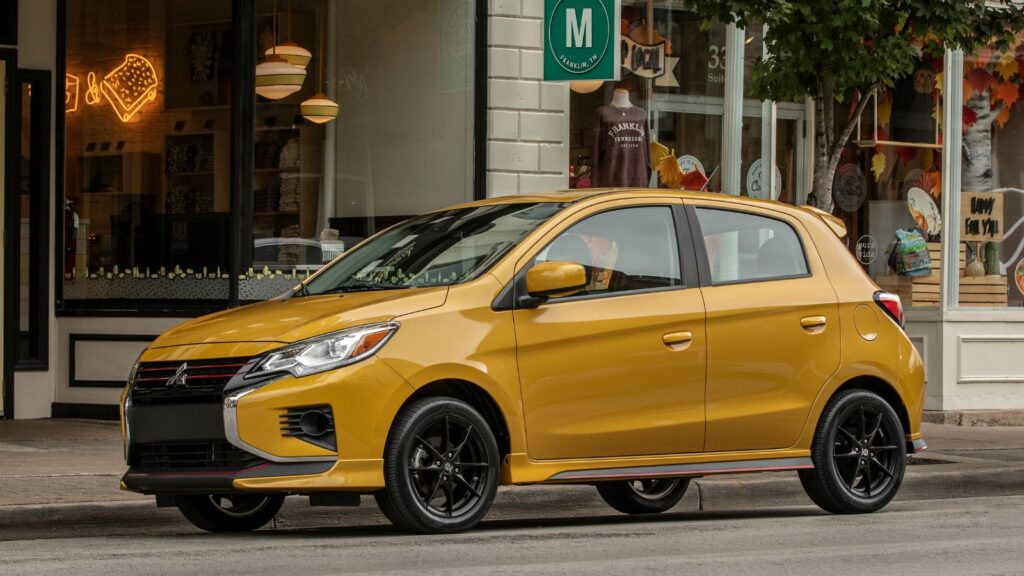
The Mitsubishi Mirage is available as a hatchback or sedan. It was made as an entry-level model with cost-saving measures from the brand, including lightweight construction and underwhelming engineering. The Mirage is one of the lightest in its class, and it may feel unstable at higher speeds. It also offers subpar handling.
Chevrolet Camaro
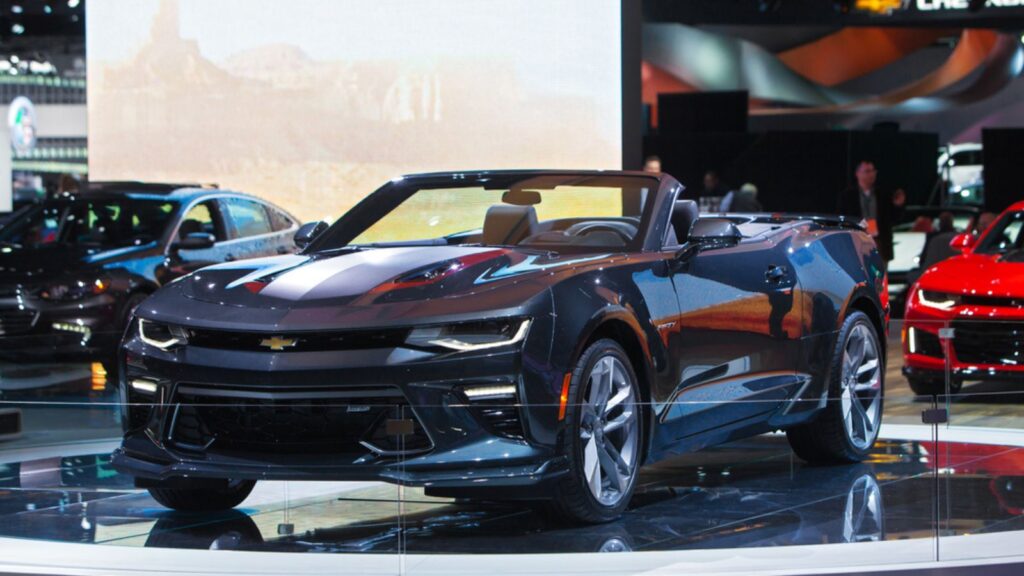
The Chevy Camaro is one of the most popular muscle cars on the market. Since its release in 1967, Chevrolet has prioritized power and straight-line acceleration in the Camaro. However, this may have come at the expense of driving dynamics, including handling. The Camaro is quite heavy, which may result in understeering when cornering. It also has basic suspension on lower trims, which results in less-than-precise handling.
Pontiac Aztec

The Aztek was produced as a mid-size crossover between 2001 and 2005. However, it is also one of the most despised models due to its eccentric appearance and lackluster engineering. The Aztek is heavy, at almost 4000 pounds, which means it is less responsive when cornering. Its suspension was also tailored for smooth, straight suburb roads rather than winding backroads, meaning increased body roll when cornering. With a high center of gravity, it’s top-heavy and less stable.
Fiat 500
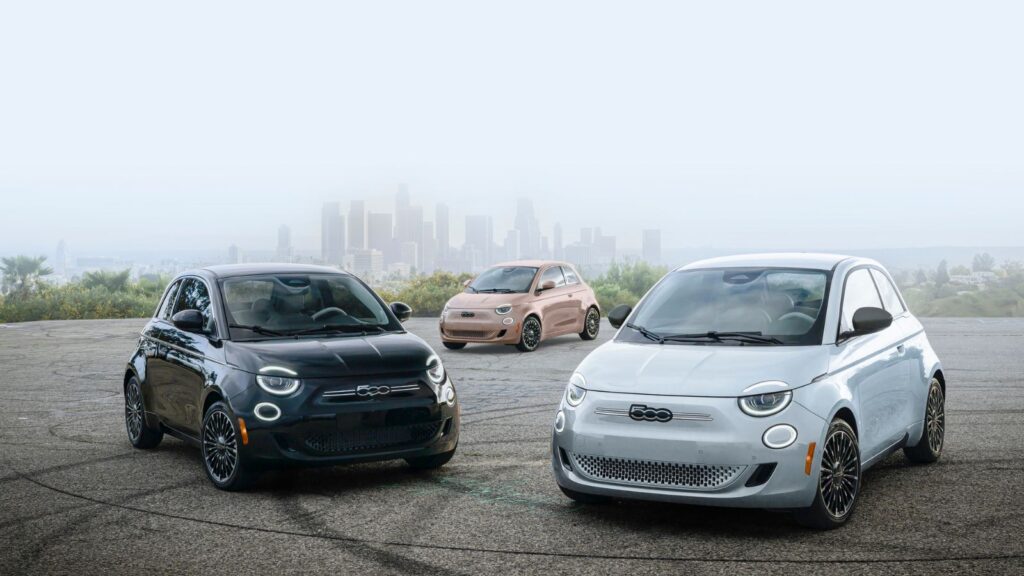
The Fiat was designed as a mini for city driving rather than suburban cruising or grand tours. However, this did not translate to driving performance. Its short wheelbase makes it feel unstable at high speeds. The Fiat 500 is also relatively light, so it is susceptible to crosswinds; consequently, it is less stable at highway speeds. Other complaints with the Fiat 500 involve steering, which lacks feedback, making the driver feel less confident.
Lincoln Town Car

The Lincoln Town Car was manufactured as a model line of full-size luxury sedans. One of the main problems that hamper handling is its size and weight. At 4,500 pounds, the Town Car is sluggish and too long to maneuver tight corners quickly. Its soft suspension was also made for comfort rather than responsive handling. Its body also rolls when it turns, making it feel less stable.
Chrysler PT Cruiser
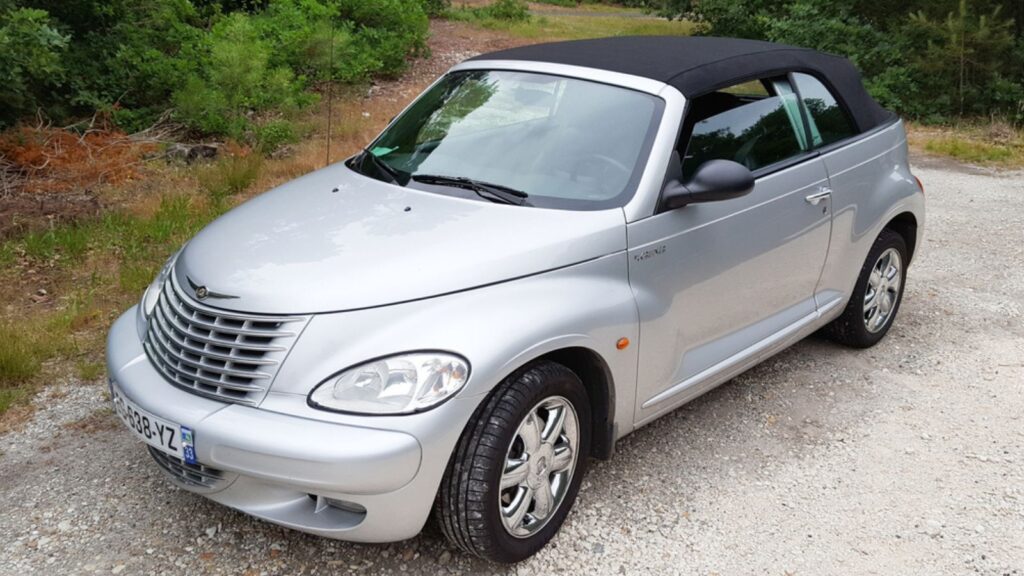
The compact PT Cruiser was produced between 2001 and 2010 and is one of Chrysler’s less popular models. Its unique design causes it to have a high center of gravity, making it feel unstable when cornering. Its body rolls quite a bit during hard cornering. In addition, its small wheels deliver limited grip at high speeds. The narrow wheelbase also hinders stability and composure during aggressive driving.
Hyundai Accent Before 2018

The Accent was produced as a subcompact car with cutting-edge features and a dynamic style, but before 2018, there were a few things that could have been improved with its driving dynamics. Until 2017, the model had been designed with a focus on comfort rather than handling, causing its body to roll in cornering. This front-wheel drive car is also nose-heavy, which leads to understeering; this, coupled with less responsive steering, can be problematic.
Kia Soul

The Kia Soul is a trendy crossover with a unique design tailored for youthful consumer demographics. However, its design comes at a price, as its higher driving position from its boxy shape creates an elevated center of gravity. This affects its ability to execute aggressive maneuvers, leading to body roll. Its steering also lacks feedback, which makes drivers less confident.
Hummer H2

The H2 was produced to mirror the famous American military vehicle. While imposing and fun, its massive size and substantial curb weights make it difficult to steer. Excess body roll and understeering during cornering are a constant concern with the H2. This is especially true in urban settings, considering the Hummer was not made for the city.
Jeep Wrangler Before 2018

As one of the brand’s main off-roaders, the Wrangler was made for country roads rather than the urban environment. It excelled off-road, but the same qualities that made it an asset in this sector made it problematic during cornering. Its high center of gravity, body-on-frame design, and vague steering make it less predictable on winding roads. It is also unstable at high speeds.
Dodge Caliber

The Dodge Caliber is a compact hatchback produced between 2007 and 2012. Unfortunately, it had a few issues that made handling problematic. Its suspension design favored comfort over driving performance, leading to a softer ride with increased body roll. The Caliber also had a narrow wheelbase, which led to less grip and instability at high speeds, coupled with vague steering.
Ford Flex

The Ford Flex was produced as a large SUV with a boxy body design. Despite its comfortable interior, it has a high center of gravity, which makes handling around corners problematic. Its body roll and unpredictability in handling make drivers less confident at high speeds. It also understeers due to its weight.
Poor Handling, Poor Purchase?

Although automakers don’t always intentionally make vehicles with poor handling, cost-cutting and eccentric designs can make them more challenging to handle. Models with a high center of gravity are typically less predictable when cornering due to the amount of body roll involved, as is often the case with body-on-frame vehicles. Similarly, suspension systems designed to prioritize comfort over performance are bound to negatively affect handling.
More From Driver’s Drift

15 Classic Cars That Still Fly Off the Lot

16 Used Cars That Will Outlast Most New Cars on the Dealership Lot

12 Affordable Sports Cars That Can Go Head-to-head With the Porsche 911

16 Used Cars Known to Last Over 500,000 Miles


Mark Muhoro is a car enthusiast and writer who loves everything about automobiles. With over 11 years of experience in the automotive industry, Mark has become an expert in how cars work and what makes them special. He writes clear and interesting articles about cars for magazines and websites, making valuable contributions to renowned platforms like Vroom Magazine, Internet Brands, and Contentmotive.


