

It’s natural to feel protective towards something that has once been your life’s dream. Isn’t it? It’s particularly true in the case of cars since you save for years to have your favorite one in the garage.
Just a minor issue, and boom! You freak out, running to the repair shops, ready to believe anything anyone says about the maintenance to keep it performing well. It’s good to be protective, but following just any tip isn’t wise. Some popular maintenance tips might be myths that damage your vehicle or cost you more.
Premium Fuel is the Best

Everything “premium” sounds like the best option, and if you own a car, you might have already heard the advice to shift to premium fuel. While these high-quality fuels work the best for higher-end vehicles and sports cars, they do not make any difference to your everyday commute vehicle. Yes, high-octane will not turn your Honda Civic into a sports car. The performance of your vehicle depends more on what’s under the hood and how you drive it. However, you’re good to go for “premiums” if it’s the manufacturer’s recommendation in the owner’s manual.
Warm Up the Engine Before Driving

Do you turn on the engine and let your car heat up before driving? You probably learned this from your dad because this popular myth has been passed down the generations. It might surprise you, but you don’t need to pre-warm your modern cars before driving. Modern engines are capable of quickly generating heat, and even for a car with an old engine, driving as soon as the engine starts humming will recharge it quickly.
Unless your car is decades old and relies on carburetors or the weather is freezing everything, you can go right after you turn the ignition on. However, take it easy on the gas pedal for the first few minutes.
Don’t Drive Far after a Jump Start

If you have been driving a car for a long time, you have likely encountered a situation where you need to jump-start your car. While the vehicle gets enough power from the fellow car to start, driving it around the block won’t be sufficient to recharge the battery. Experts recommend driving for at least 30 minutes after jump-starting a car to allow the battery to recharge enough to turn the belt and charge the alternator to power up the car components.
Refuelling in the Morning is Cost-Effective

This one is so common and seems logical to many, but it’s on our list for a reason. You may have heard that since gas expands in the heat, refueling the car in peak sun hours will allow fewer gas particles to get into your tank for the same cost. So, getting the tank filled early in the morning proves cost-effective as the gas hasn’t expanded yet. You need to know that gas stations store the gas underground, where the temperature is constant all the time, regardless of the weather.
Change Engine Oil Every 3000 Miles
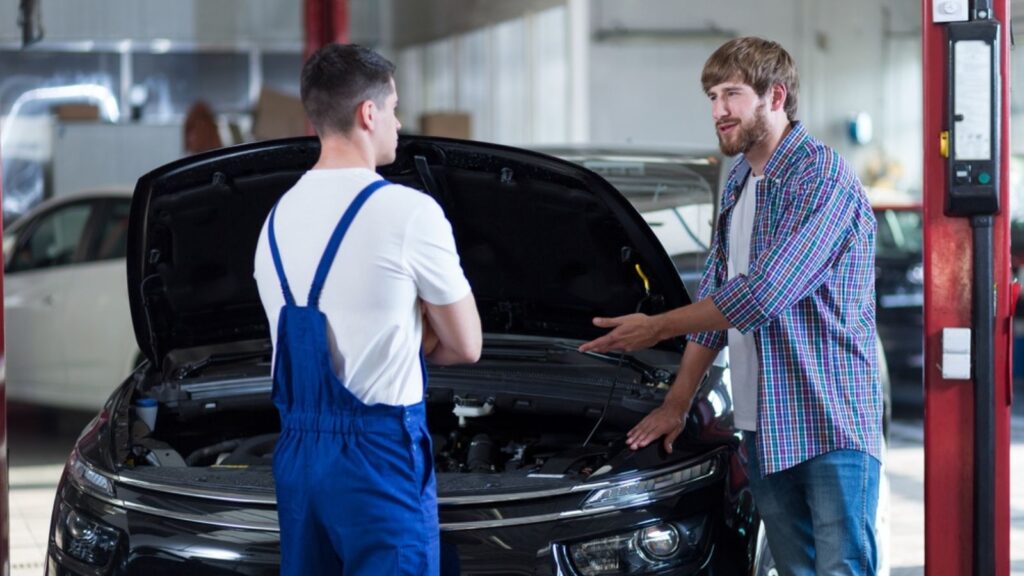
Changing engine oil every 3000 miles is now just an old wive’s tale. While it was much needed in older times, now the owner’s manual states that the newer models can easily go up to 7,500-10,000 due to better design, engineering, and technology.
Get Transmission Fluid Flushed Every 50,000 Miles

Do you still get the transmission fluid flushed at 50,000 miles as you did for your old car? Well, that’s not needed anymore. Thanks to better filtration and fluid formulation, the transmission fluid in the latest vehicles doesn’t need to be flushed sooner than 100,000 miles. Isn’t it great? A pro tip is to avoid “stop and go” driving or frequently hauling loads more than the vehicle’s capacity to make your transmission fluid last even longer.
It’s OK to Wash Your Car with Dish Soap or Detergent

Why would something that works for the tough flatware grease not be effective for the dirt and debris on the car? Here’s why! While your car is a monster compared to the plates and cooking pots, its surface finishing is much more sensitive. Dish soap and detergent are way harsh for the car and may eventually dull the wax finish or strip the paint. Cleaners especially formulated for cars must be your choice at all times!
Roll Down Windows for Better Mileage in Heat

Your car’s air conditioner consumes fuel, and you might think that it’s smart and cost-effective to roll down the windows rather than turn on the AC. Well, it doesn’t work the way you think. With the windows rolled down, the car faces a huge drag force, and the engine burns more fuel to generate enough power to overcome the resistance. At higher speeds, it costs way more than the AC does. However, it might save you some fuel if you are driving at very slow speeds, which is uncommon.
Always Get Car Maintenance Done at an Agency

Agencies have made car owners believe they commit a huge crime when they get their car repaired by some private mechanic. It is not only false but also illegal. Yes, you can report your dealership to authorities if they refuse to provide warranty services just because you had repairs or routine maintenance done by someone else. However, visit a reputable professional if you plan on getting service from a private repair shop.
Fuel Additives are Important for Engine

It’s reasonable to fear the debris in gasoline clogging your engine. Many companies offer fuel additives you can add to fuel to prevent clogging; nonetheless, you don’t need to do that. A law made all gasoline manufacturers responsible for adding detergent to the fuel to rule out the chance of clogging in 1995. Moreover, the latest vehicles have engines and fuel injections specifically designed to eliminate the risk.
Driving a Dirty Car Increases Mileage

Have you ever considered keeping your car grimy just to save some fuel? Most people really do this since they believe that, like a golf ball’s “dimpling” effect, dirt particles minimize wind resistance and improve gas mileage. In fact, the limited airflow increases friction and reduces the gas efficiency; that’s something you’ll never want.
Inflate Tires to the Pressure Listed on the Sidewall

Some people mistake the pressure on the side of the tire’s wall as the ideal figure it should hold. Remember that it’s more of a caution than a recommendation, as the figure depicts the maximum pressure the tire can withstand. Driving at maximum pressure makes car handling difficult, and you can get dangerous blowouts since it also impairs braking. Always consult the owner’s manual to know the ideal pressure for your car tires.
Don’t Replace the Tires Until they’re Down to the Minimum Tread Depth

While it’s true that one should replace the tires when its tread wears to 2/32-inch depth on most of its surfaces, you don’t want to go to the edge. Once the depth has reduced to 4/32, know it’s the best time to change your vehicle’s tires. However, your car will still carry you to the nearby auto store to get new tires.
Did You Believe Any of These Myths?

Your car is indeed your prized possession. So, the best thing you can do is to avoid myths, carefully consider each aspect whenever you put it on the road, and plan a maintenance session. Know that many “what can go wrong with it?” things usually go worse frequently than you can expect.
More From Driver’s Drift

15 Cars With a Reputation for Insanely High Repair Costs

16 Costly Mistakes You Make When Talking to Car Salespeople

16 Things You Should Keep in Your Car Trunk (You Never Know When They’ll Come in Handy)

13 Warning Signs Your Transmission Is About to Fail


Zainab Noor is a motoring journalist. Childhood rides in Nissan Almera fueled her love for cars. After graduating from AIOU in 2021, she steered her passion into freelance writing. You can find Zainab on LinkedIn.


