

Ready to take a nostalgic trip back to the golden age of the automotive industry? In the ’90s, car manufacturers were racing to outdo each other by packing their vehicles with the latest innovations and quirky features to stand out. Millions of drivers then loved these “must-haves,” even if some seem odd or outdated by today’s standards. But as times have changed, many of these once-popular features have faded into obscurity. Let’s look back at some of the ’90s car features that wouldn’t make sense today.
Pop-Up Headlights

Driving a ride that pops up its headlights symbolized being cool in the ‘90s. All of the iconic cars of this era, such as the Ferrari F40, Porsche 928, and even your grandpa’s Firebird, came with pop-ups. Although these headlights did give cars a futuristic flair, they soon vanished from the market due to safety regulations and aerodynamic concerns.
Cassette & CD Players

Cassettes and CD players are a blast from the past, especially if you are a millennial. Everyone talked about these back in the day, so car manufacturers made them a cabin standard. Since the sizes of mixtapes and albums were handy, people used to fill their gloveboxes with songs from Mariah Carey and Michael Jackson. But modern times have made entertainment just a fingertip away. Thanks to conveniences like Apple CarPlay and Android Auto, having a cassette or CD player inside modern vehicles is rare.
Car Phones

Mostly offered by Mercedes and BMW in their luxury variants, having a built-in phone inside your cabin was so James Bond-ish. However, the current era of highly capable smartphones with wireless features such as Bluetooth has made these built-in car phones unnecessary.
Antennas
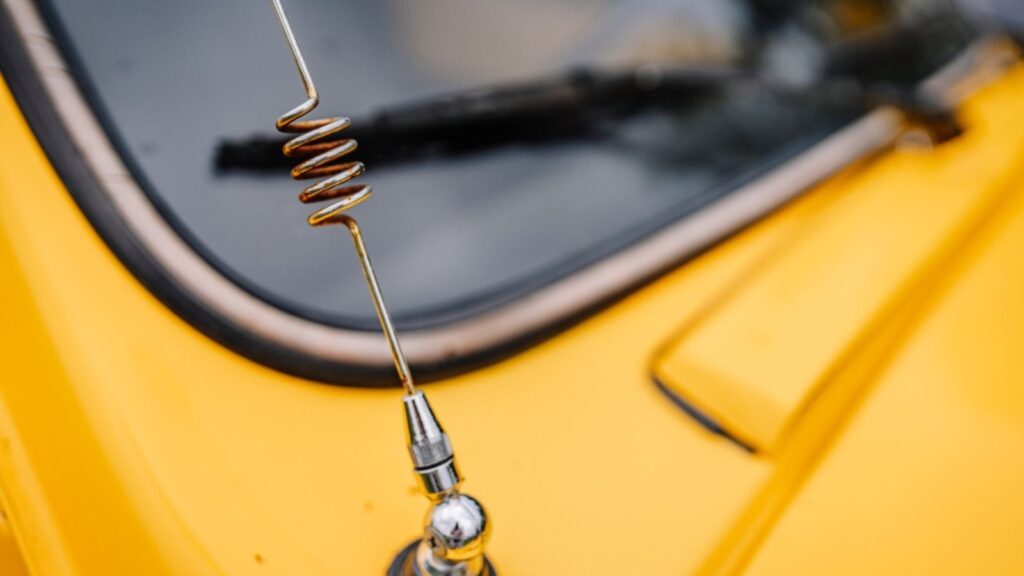
Cars used to retract antennas with just a press of the button. Their sole purpose was to capture signals for communication or help the FM radio to find channels. However, modern cars don’t need these long antennas sticking out of their rooftops. Technology has improved significantly, and (if needed) short shark fin antennas can do this job better and more efficiently.
Map Pockets

Before navigation systems became common, people relied on map pockets for directions. A map pocket contained a booklet with a blueprint of your neighborhood. It was a lifesaver in case you were lost. But thanks again to modern technology, smartphones, and GPS units, navigation is a piece of cake. A map pocket in a modern vehicle is now a rare sight.
Manual Windows

Post-millennials will never know the struggle of manually cranking up the windows. These handles were a staple in the 1990s. Most vehicles, even the DB5, offered them, making them a great memory to look back on. However, with the universal adoption of power windows, manual ones retired.
Carburetors

For those who don’t know what carburetors did, these were used in dated vehicles to mix air and fuel and feed it to your engine. Fast-forward to today, all modern cars use fuel injection systems to do this job efficiently. It’s unsurprising if you had no clue about this component since the last car with a carburetor under its hood was sold in the US in 1991.
T-Tops

T-tops were popular in the past. They were perfect for an average enthusiast to enjoy the open air while having a rigid roof up their head. All you had to do was detach the glasses from the top, put them in your trunk, and simulate a convertible feel. Soon, however, the love for this feature soon dissipated, as it was prone to leakage and wind noise, which caused production complexities.
Woodgrain Side Panels

Woodgrain side panels were an American design detail introduced in the ‘50s and survived until the ‘90s. You’ll be disappointed if you try to find these decors in modern cars. Their added weight and fire hazard forced manufacturers to get rid of them.
Hood Ornaments

The iconic Cadillac ornament sticking on the front of your hood was a head-turner. Although modern vehicles like Rolls-Royce still offer ornaments such as the famous Spirit of Ecstasy, these are retractable rather than always displayed. For some reason, these metal chunks were declared harmful to nearby pedestrians, making this feature useless.
Headlight Wipers

Headlight wipers used to be a common feature on cars like Volvos, Saabs, BMWs, and Jaguars. Back in the day, when headlight technology wasn’t as advanced, these tiny wipers were useful for brushing away dirt, snow, and grime that could dim your lights. But today, you won’t find them on modern cars. With sleek designs that improve aerodynamics and advanced headlights that are less likely to get dirty, they’ve become obsolete. Plus, modern solutions like headlight washers and smart systems like Ford’s adaptive front lighting, which adjusts brightness based on weather and driving conditions, make headlight wipers a thing of the past.
2-Door SUVs
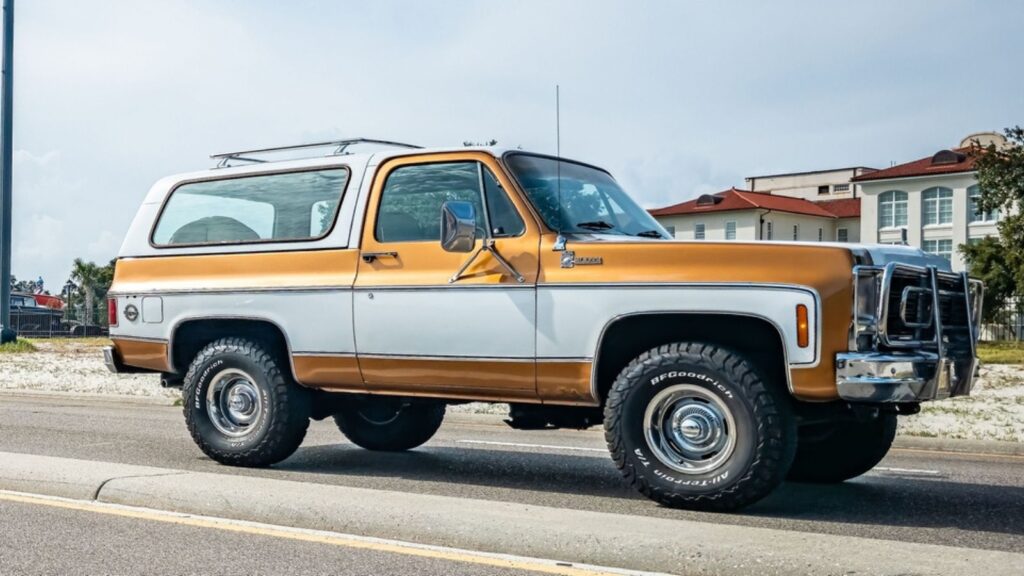
Notable brands used to offer 2-door SUVs, such as the famous Ford Bronco. A cool compact vehicle with off-road capabilities may look like a perfect blend, but it lacks practicality. Why would you get a heavy-duty vehicle that can only accommodate two people? Today, these 2-doors are just relics from the past, and while they are still available, they are indeed a dying breed.
Automatic Safety Belts

Automatic safety belts were introduced in the 1980s and were intended to make it easier for passengers to buckle up by automatically positioning the seatbelt when the door was closed. However, these belts were phased out primarily due to the increased focus on advanced airbag systems and overall safety regulations. While automatic belts offered some convenience, they were less effective in providing the level of protection that modern safety features, including advanced airbag systems and more effective restraint mechanisms, could offer. As regulations evolved and car safety standards improved, automatic belts became less relevant and were eventually discontinued in favor of newer safety technologies.
Front Bench Seats

Front bench seats, which allowed for a full-width seating area in the front of American cars, were once a popular feature. They provided extra space and allowed three people to sit comfortably in the front. However, these seats gradually fell out of favor due to evolving safety regulations and advancements in vehicle design. Modern safety standards prioritize features like improved crash protection and individual seat belts, making bench seats less practical and unsafe than today’s separate bucket seats. As a result, front bench seats have largely disappeared from new vehicles.
Vent Windows

Vent windows, or quarter-glass windows, were once a clever feature for letting fresh air into the cabin and keeping passengers cool on sunny days. They allowed drivers to adjust a small window for airflow without fully opening the main window. However, with modern air conditioning systems now standard in most vehicles, vent windows have become redundant. Air conditioning provides more consistent and controlled cooling, making vent windows a nostalgic feature of the past.
Car Tech Has Evolved

Looking back at the past, we have come so far. All the features listed here were once groundbreaking, but their irrelevance symbolizes how consumer needs and technology can quickly change. While these features no longer serve a purpose, their nostalgic charm reflects an era when cars were less packed with tech but just as beloved.
More From Driver’s Drift

15 Common Tire Brands That Don’t Deliver on Quality

16 Used SUVs to Avoid (Unless You’re After a Money Pit)

15 Compelling Reasons to Avoid Buying a Car With a Sunroof

15 Car Services You Don’t Really Need and Are Just Wasting Money On


Zainab Noor is a motoring journalist. Childhood rides in Nissan Almera fueled her love for cars. After graduating from AIOU in 2021, she steered her passion into freelance writing. You can find Zainab on LinkedIn.


