

While some auto mechanics are worth the $100 to $150 per hour they charge, the costs can add up. That’s especially true if your car always seems to need repairs.
However, some vehicle owners like to do car repairs and maintenance independently. It’s not just about saving money — as nice as that is. Being more hands-on can increase pride of ownership and ensure the job is done right.
DIY Maintenance Doesn’t Always Go According to Plan
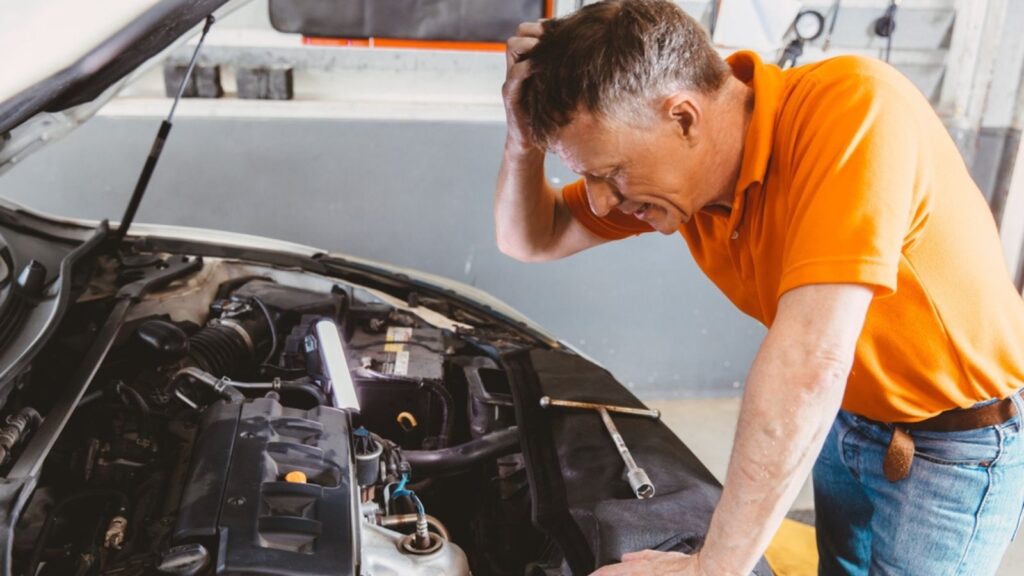
Do-it-yourself vehicle upkeep is great — but that can change quickly if you make mistakes that a mechanic has to rectify. Before starting any project, ensure you know what you’re doing, have the correct tools, and have the patience to see things through.
Otherwise, you might make matters worse and end up with a bigger repair bill than would have been the case had you booked an appointment with your friendly neighborhood mechanic.
Mechanics Hate Fixing Mistakes DIYers Make
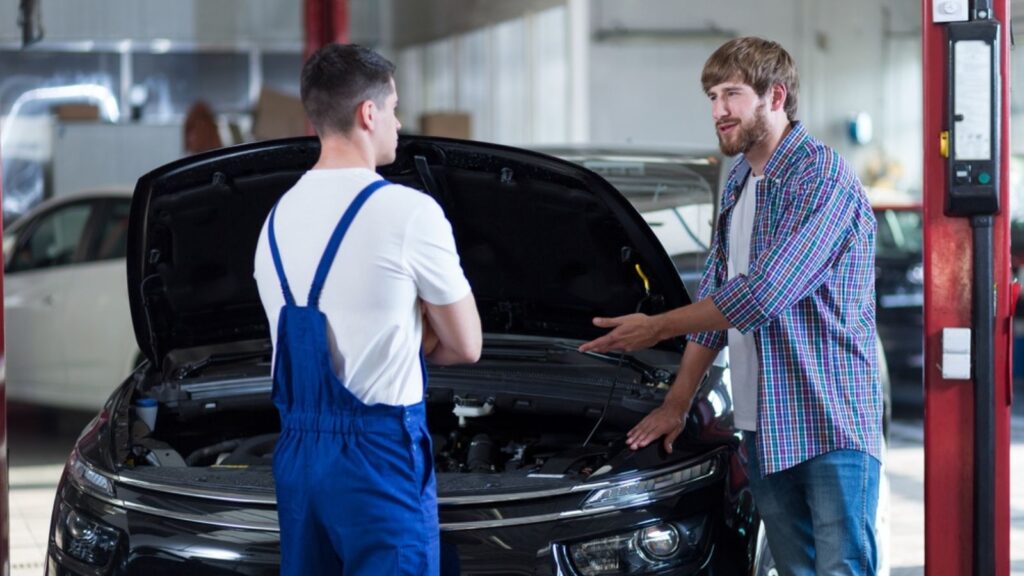
Good mechanics will get to the bottom of whatever ails your vehicle and get it up and running. But one thing they hate — though they may be too nice to tell you to your face — is when DIYers make a mess of things.
Here are 13 DIYer vehicle care tips that leave good mechanics baffled.
Ignoring Dashboard Lights

While it’s true that not all dashboard lights are a big deal, it’s never a good idea to ignore them altogether. Use an OBD II scanner to get to the bottom of things. The solution to a dashboard light might be as simple as tightening the gas gap. But if the dashboard light is flashing or blinking, your vehicle needs to be looked at by a mechanic asap.
Some vehicle owners “fix” the problem by placing tape over the pesky and persistent dashboard light. Problem solved? Uhm, no.
Using Whatever Engine Oil’s on Sale

While all engine oil might look more or less the same to the untrained eye, you must use the right one for your vehicle. The engine oil absorbs heat from your engine as it travels through the motor components.
But if you carelessly use the wrong type of oil, the end result could be catastrophic failure. Online sources say it can cost $5,000 to $10,000 to replace an engine — so, you’ll agree, it’s cheaper to take care of the one you have.
With regular maintenance, there’s no reason your engine shouldn’t last at least 200,000 miles, and some engines can get double that or even more. But do yourself a favor and use the right oil.
Adding Oil With a More-Is-Better Mentality

Some car owners overfill the engine oil compartment. They know the oil level shouldn’t go too low but don’t realize the danger of adding too much.
If you don’t monitor how much oil you add and end up with too much, that extra oil can place too much pressure on the engine components. That extra oil will seek ways to escape. Seals and gaskets are the most likely exit points.
Basing Oil Changes on Miles Rather than on Time

If you have a car that doesn’t get used much, you might think oil changes aren’t necessary. After all, if oil changes should be done every 5,000 miles and you don’t rack up that many miles in a year, why is an oil change necessary?
Many manufacturers recommend getting oil changes every 5,000 miles or every six months — whichever comes first. So, if your truck is parked in the garage for six months, change the oil at the six-month mark.
Repairing Tires That Should Be Changed

Even the best tires will need to be replaced at some point. If you visit a mechanic and they tell you the tires are nearly bald or are badly damaged, don’t try to justify repairing them.
Tires that are more than ten years old, have less than 4/32nds of tread depth or are physically damaged should be replaced. Remember that the tires are the only part of your vehicle that physically contact the road. Your mechanic will think you’re insane if you try to justify using tires bad tires.
Using Water Rather Than Windshield Washer Fluid

While you might get away with using water in a pinch during the spring or summer, give your head a shake if you’re thinking about doing it when the temperatures plummet to frigid levels.
You’ll regret using water during the winter when the water freezes and destroys the windshield water reservoir. Besides, windshield washer fluid is designed to keep your windshield clean in a way that water alone can’t.
Ignoring Strange Sounds Since the Car Still Drives Okay

Another car care tip some DIYers follow is to ignore odd sounds. As long as the car still starts, runs, and stops — they reason — why bother? The problem, of course, is that strange sounds could be symptoms of serious issues. If ignored, these issues could get worse and require costly fixes.
Do you hear a sound from the braking system when you hit the brake pedal? Servicing the brakes costs much less than replacing the braking system.
Throwing Piping-Hot Water on the Windshield During the Winter

While it might seem like a good idea to use hot water to melt ice off your car’s windshield, it’s a big gamble. Sure, it can get you on your way in a hurry. But that’s only if the hot water doesn’t crack the frozen windshield.
According to one source, replacing a regular windshield can cost $300 to $600. However, a high-tech one with sensors will cost much more.
Using Dishwashing Liquid to Wash a Car

If you want to see a look of horror on a mechanic’s face, tell them you use dishwashing liquid to clean your car. Dishwashing detergents are designed to clean your plates, pots, pans, cutlery, and other things you cook and eat with. But these cleaning agents aren’t for use on your vehicle’s paint. They could strip the paint and ruin your vehicle’s exterior.
Using the Parking Brake Only on Hills

Some drivers — perhaps most — only use their parking brake if parked on an incline. But you should use it anytime you park — even if it’s on level ground.
On the one hand, doing so can prevent the vehicle from rolling if another motorist collides with your parked car. On the other hand, failing to use it regularly can strain the transmission parking pawl and cause long-term transmission problems.
Failing to Replace Wiper Blades on Time

Windshield wiper blades are relatively cheap, so there’s no reason not to change them as needed. Some motorists, however, take the wiper blades for granted. That can get them into trouble if they need to clean the windshield on the road but can’t because the blades are worn and torn.
Failing to Check Tire Pressure Regularly

According to one source, you should check your vehicle’s tire pressure at least once monthly. But that’s just the minimum. Checking it twice per month—every other week—is even better. You can do so at the gas station before or after filling the tank.
Ignoring the Timing Belt Replacement

If your vehicle has a timing belt rather than a timing chain, it should usually be changed every 60,000 to 100,000 miles. But check your owner’s manual for the right replacement interval.
Rolling the dice and holding off on timing belt replacement can cost you. That’s especially true if you have a so-called interference engine that can be destroyed if the timing belt breaks.
Avoid These Car Care Mistakes at All Costs

You can avoid giving your mechanic a migraine if you avoid these bad car care tips. A vehicle is a sizeable investment. Don’t fritter away that investment by making mistakes that are easy to avoid.
More From Driver’s Drift

12 Things Car Salespeople Don’t Want Customers to Know When Buying a Car, According to Car Salespeople

16 Things You Should Never Say to a Salesperson at a Car Dealership

15 Used Cars To Steer Clear of at All Costs

17 Hybrids to Avoid at All Costs


