

Hoping to get your car engine to last 500,000 miles? Regular maintenance—like changing the oil, filter, drive belt, coolant, and air filter—can help you reach that goal. Even without perfect upkeep, many engines can easily last between 200,000 and 300,000 miles unless you’re driving a model known for engine issues.
But if you want your engine to stand the test of time, avoid these 16 bad habits that could cause serious damage and leave you with an expensive repair or, worse, a full engine replacement.
Neglecting Oil Changes
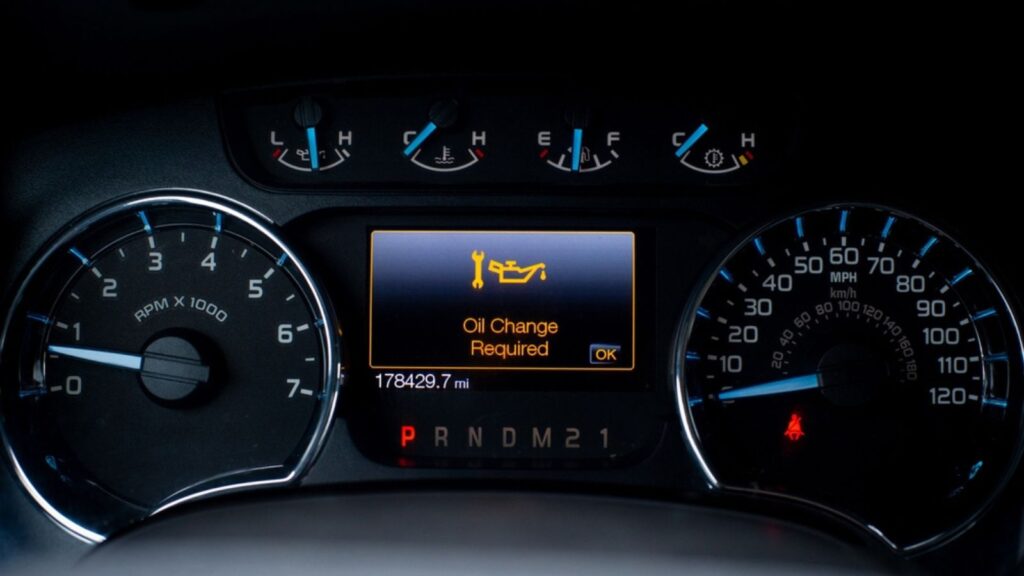
You’re asking for trouble if you don’t change the engine oil and oil filter often enough. The owner’s manual that came with your vehicle will include the intervals when this work should be done. Failing to keep up with basic maintenance will likely jeopardize the longevity of your engine.
Using the Wrong Oil

When buying engine oil, ensure you get the right one for your vehicle. The right type or viscosity will give your engine the lubrication required to reduce wear and tear, prevent overheating, and perform optimally.
Allowing Oil Level to Drop Too Low

One of the worst things you can do to your vehicle engine is let the oil level drop too far. Some engines burn oil and must be topped up between oil changes. Allowing the oil level to get too low will reduce lubrication, cause friction, and result in overheating, which can damage the engine.
Ignoring the Check Engine Light
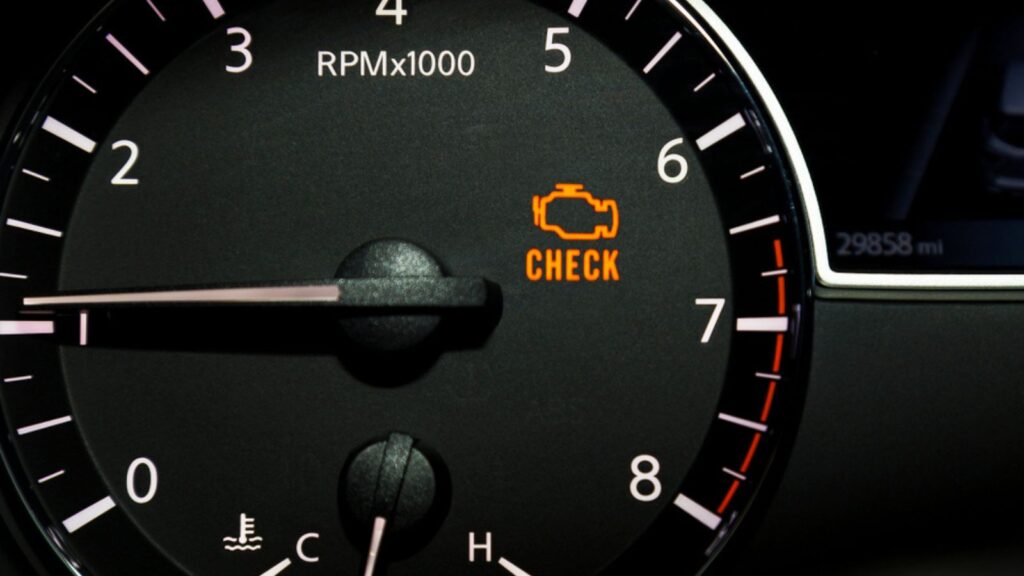
Some drivers ignore the check engine light on the dashboard. While the light can come on for reasons that aren’t that serious — a loose gas cap, for instance — it’s never a good idea to ignore it. Driving when your engine is compromised can lead to expensive problems.
Ignoring Oil Leaks

You’re also asking for trouble if you ignore oil leaks. If you notice an oil leak, take your car to a reputable auto repair facility for a diagnosis. You need to know what the problem is and how to fix it before the issue worsens and drains your wallet.
Accelerating Too Hard

If you have a need for speed, you might like hard accelerations. But your engine doesn’t. Doing so suddenly and frequently can put too much stress on the engine and contribute to premature wear and tear.
Failing to Check the Coolant Level

You should check your coolant level regularly. If you check the level weekly and notice that it’s always significantly lower than the week before, investigate to see if there’s a leak. Low coolant levels can cause your engine to overheat, blow head gaskets, warp heads, and more.
Riding the Clutch

There aren’t that many people who can drive a stick shift these days. But if you’re in the minority, riding the clutch is a no-no. Riding the clutch occurs when you rest your foot on the clutch. Unfortunately, that can put unnecessary stress on the engine and wear out the clutch sooner than it otherwise would.
Using Water Instead of Coolant
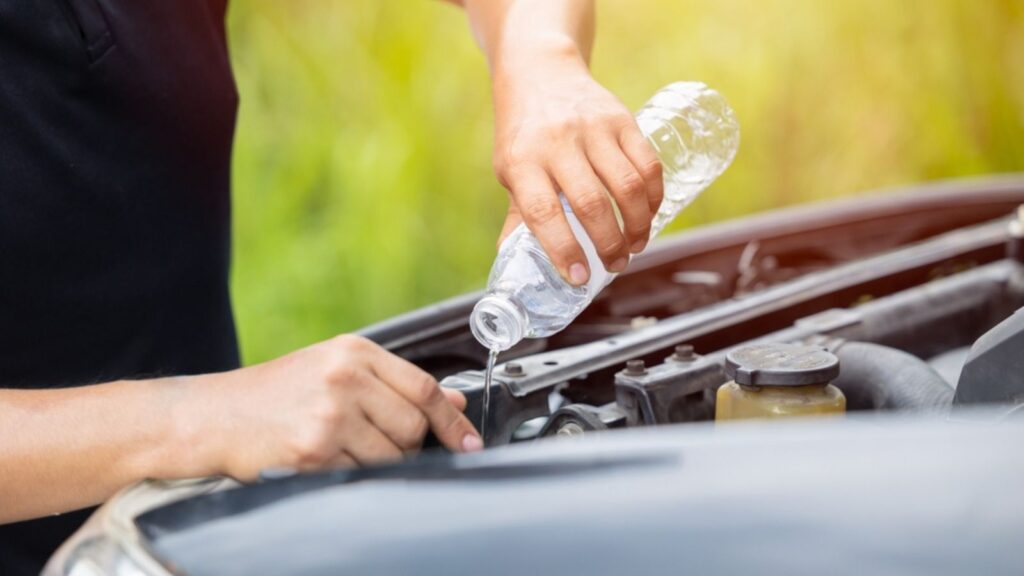
Water is not a substitute for coolant. So, if you’re running low on coolant, get some as soon as possible. It’s unsafe to use water because water doesn’t provide the cooling and corrosion protection properties of coolant. Throwing caution to the wind and using water in a pinch can lead to overheating problems and engine damage.
Skipping the Timing Belt Replacement

It’s never a good idea to skip timely timing belt replacement. Check your owner’s manual to see when the timing belt should be replaced. If it breaks — and that usually only happens when not changed on time — it could destroy your engine.
Ignoring Engine Overheating

Does your engine overheat? Don’t ignore it should this be the case. If it happens, you need to get the problem figured out and resolved. Otherwise, the end result could be a damaged engine, which can occur if there’s a blown head gasket or a warped cylinder head.
Driving Around With a Dirty Air Filter

Your car’s air filter is essential. It helps to keep dirt, debris, and other contaminants from getting into the engine and wreaking havoc. Driving around with a dirty air filter is only asking for trouble since it can reduce the efficiency and performance of the engine and potentially damage it.
Using the Wrong Coolant

While you may argue that using any coolant is better than using water, that’s not the point. Using the right coolant, rather than just any coolant, is essential. If you just pick up whatever’s on sale at the auto parts store or gas station, you could do more harm than good.
The wrong coolant can cause scaling, corrosion, or overheating and damage the engine, radiator, or water pump. It’s not worth the risk.
Revving the Engine in Neutral
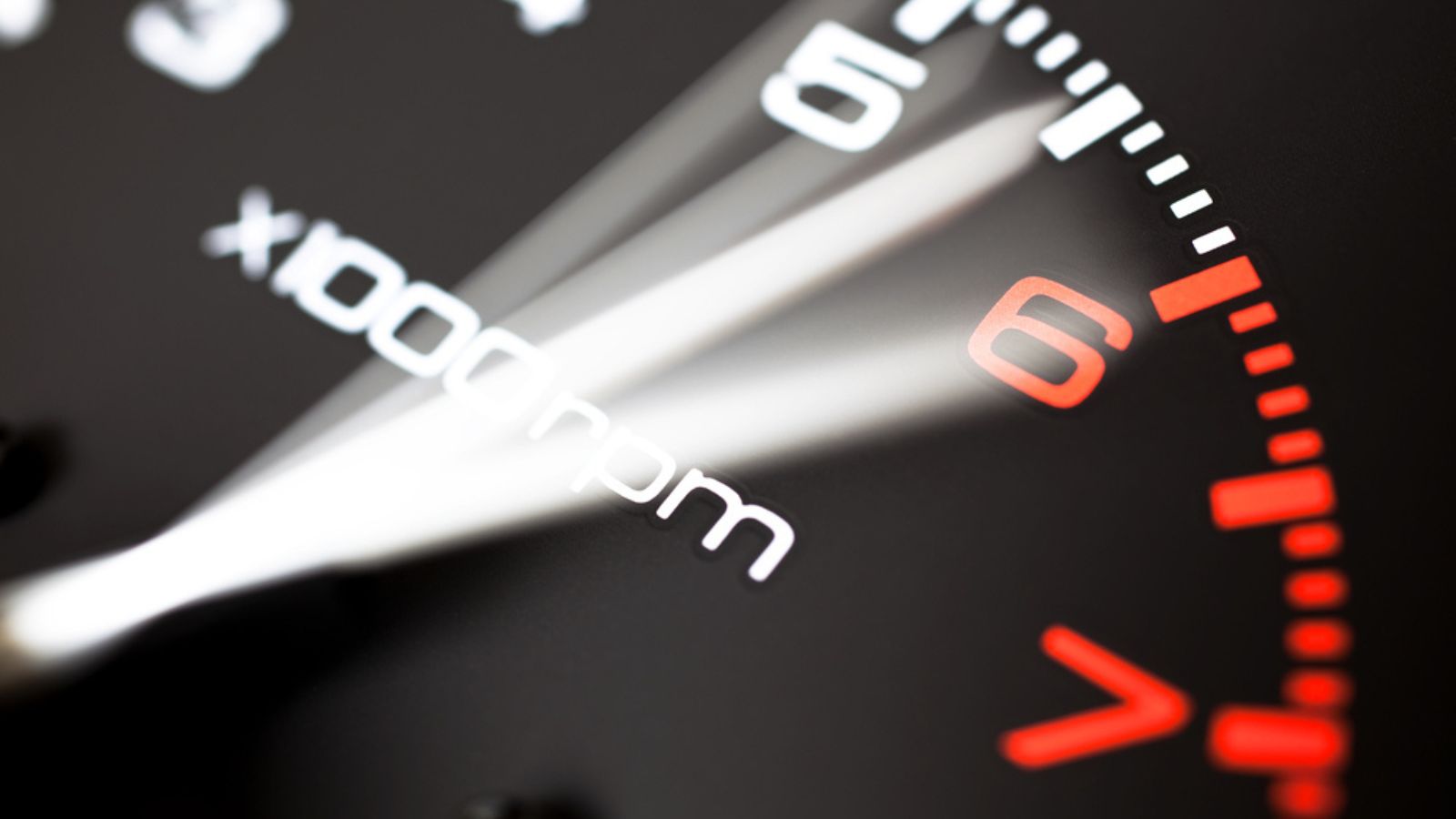
Over-revving your vehicle in neutral is a bad idea. It can cause unnecessary stress on the engine and destroy components like the bearings, pistons, or rods.
Skipping Spark Plug Replacement

According to one source, spark plugs can last 30,000 to 90,000 miles. Delaying necessary spark plug replacement can lead to engine misfires, inadequate combustion, and accelerated wear and tear on the engine components. So, get them changed when your owner’s manual suggests.
Using Cheap Aftermarket Parts

Yet another thing that can shorten your engine’s life span is using cheap aftermarket components. While some aftermarket parts are as good as or better than original equipment manufacturer parts, using low-quality parts can damage your engine.
Avoid These 16 Bad Habits That Can Ruin Your Engine

If you want your engine to last, avoid these 16 bad habits that can lessen its life span. It can cost thousands to fix or replace an engine, so it makes better sense to take good care of it.
More From Driver’s Drift

14 Cars That Consistently Fail Crash Tests

15 Reasons You Should Never Buy a Car in Cash (Even if You Can Afford to)

15 Things Boomers Taught Us About Cars Which are Totally Wrong Today
17 Hybrids to Avoid at All Costs


