

In 2023, around 15.5 million light vehicle units were sold in the United States, and all of them came with an owner’s manual in the glove box.
Drivers use their manuals to learn about preventative maintenance, where the controls are, how to operate their cars properly, and more. The owner’s manual can often provide the answers to their questions, making proper upkeep easier.
Using the Owner’s Manual is Vital if You Want to Make Your Car Last

Considering that Americans retain their cars for an average of 12.6 years, you’ll want to take good care of your vehicle to get as much life out of it as possible. This means familiarizing yourself with the owner’s manual and relying on it to know what needs to be done and when.
Not Everyone Faithfully Observes Their Owner’s Manual

Many drivers don’t consult their owner’s manual as often as they should. This can transform the ownership experience into something stressful. But it’s also true that there are times when following the manual with rigid precision could hurt your vehicle.
Here are 14 times when doing what your owner’s manual stipulates can hurt more than help.
Oil Change Intervals

While many owner’s manuals recommend longer oil change intervals than previously recommended, getting more frequent oil changes may be worthwhile to extend your engine’s longevity.
No, that doesn’t have to mean 3,000-mile intervals. That might be excessive. But doing it every 10,000 to 15,000 miles might be too long, regardless of what the owner’s manual says.
Transmission Fluid

Does your owner’s manual stipulate you have transmission fluid that you never have to change? If so, you can be forgiven for saying that’s too good to be true—and it likely is. Ira Toyota of Manchester recommends changing transmission fluid every 30,000 to 60,000 miles if you drive a manual and 60,000 to 100,000 miles if you drive an automatic. If your owner’s manual says you never have to change the transmission fluid, getting a second opinion from a good mechanic won’t hurt.
Coolant

Don’t be fooled by “lifelong” coolant (which never has to be changed). Getting the coolant checked every few years can protect your engine and keep it from overheating. AutoZone recommends replacing coolant every two to five years or every 30,000 to 100,000 miles. So, be wary of so-called “lifelong” coolant.
Cabin Air Filter
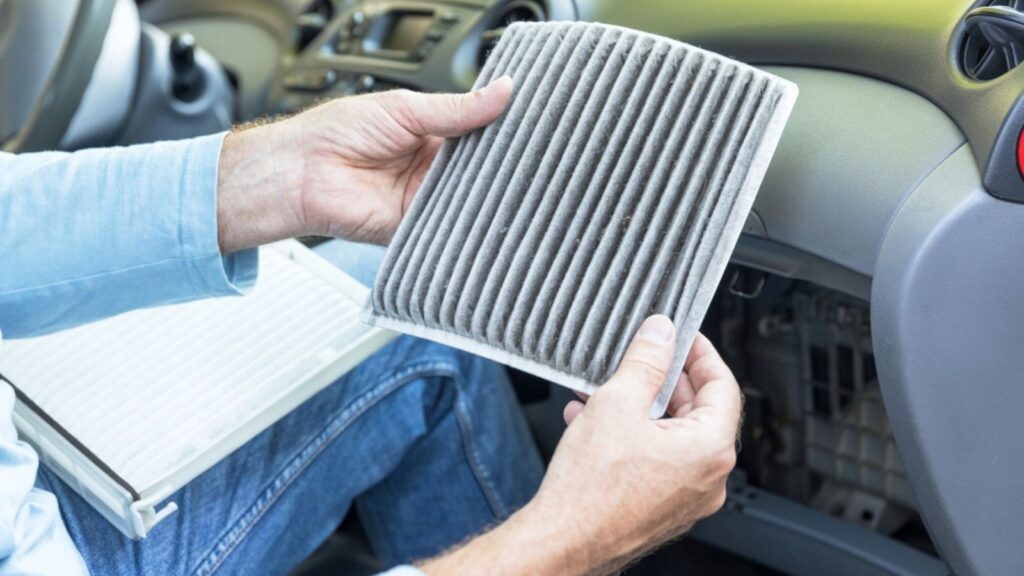
The recommended cabin air filter replacement interval might need to be increased. Your owner’s manual recommends one thing, while the area you live in and the pollution levels warrant doing another thing.
Spark Plugs

Different cars have different intervals for spark plug replacement. According to KBB, common intervals are 25,000, 50,000, and 100,000 miles. But if you’re experiencing problems with your spark plugs, it may be time to replace them, even if the owner’s manual suggests the required interval has yet to be reached.
Timing Belts

You don’t want a timing belt to break. If your car has a non-interference engine, a broken timing belt won’t damage the engine. However, if your vehicle is equipped with an interference engine, all bets are off. In such a case, a broken belt will require repairing or replacing the engine.
Follow the recommended timing belt change in the owner’s manual as a general guideline. Monitor the belt for wear and tear that might necessitate changing it sooner than the manual suggests.
Fuel Filter

A “lifetime” fuel filter may seem like a great deal as it’s one less maintenance item to worry about. But here’s the thing—“lifetime” doesn’t really mean lifetime, no matter what the owner’s manual says.
You’re better off replacing it occasionally to ensure good fuel quality. Work with your mechanic to determine a reasonable replacement interval.
Engine Air Filter

Depending on where you live or work, you might find that the owner’s manual recommendation for changing the engine air filter is insufficient. If that’s the case, change the engine air filter more often.
Oil Type

Your owner’s manual might recommend a specific type of oil. But you can do your engine a favor by upgrading to full synthetic oil. Yes, it costs more than regular oil. But it can extend the life of your engine and is especially useful for older engines.
Checking Oil Outside Intervals

While your owner’s manual will recommend when to change the oil, checking the level between oil changes makes sense. By doing so, you can uncover problems sooner rather than later. If there are issues like leaks, uncovering them as soon as possible can help you fix the problems and save your engine.
Oil Additives

You won’t typically find recommendations about using oil additives in your owner’s manual—but perhaps you should use these products. Oil additives could benefit some high-mileage engines by lessening wear and tear and extending longevity.
Tire Pressure Adjustments

Older cars may have out-of-date manuals regarding tire pressure information. The information might be accurate for regular day-to-day driving. However, it might fail to recommend adjusting the tire pressure when carrying heavy loads or traveling at high speeds.
Radiator Hoses

If your owner’s manual doesn’t stipulate when to check or change radiator hoses, that’s an oversight. You might not pay close enough attention to it if it’s not listed in the manual. Check the hoses occasionally and replace them if they have cracks or other damage.
Premium Gasoline

While your owner’s manual might suggest using regular gasoline is okay, you may get added benefits by upgrading to premium fuel. However, it really depends on your engine. In addition to offering better performance and fuel economy, premium fuel can reduce the odds of issues like engine knocking.
Sometimes, Following the Owner’s Manual Can Hurt You!

While it’s generally a good idea to adhere to the owner’s manual, that doesn’t mean there aren’t exceptions to the rule.
By all means, refer to your owner’s manual for maintenance and repair information, but understand that sometimes, the information is dated.
More From Driver’s Drift

16 Used Cars That Will Outlast Most New Cars on the Dealership Lot

12 Affordable Sports Cars That Can Go Head-to-head With the Porsche 911

14 Cars That Consistently Fail Crash Tests

16 Used Cars Known to Last Over 500,000 Miles


