
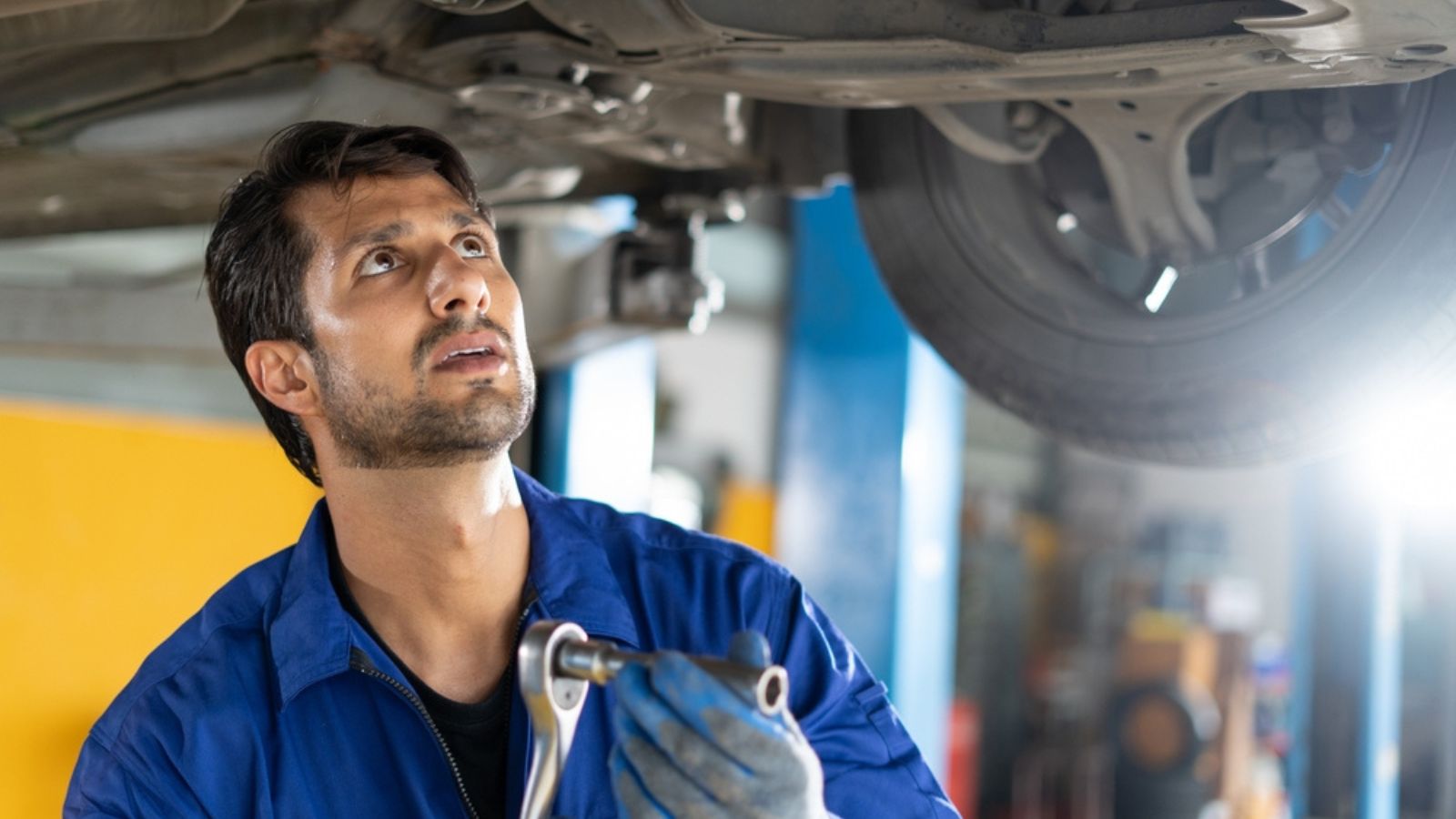
Sure, you don’t have to be an expert at engine rebuilds and transmission overhauls, but there are still many minor things your mechanic expects you to know about your car. Let’s dive into 15 of those insights that are crucial to keeping your ride running smoothly.
Ensure Your Car Has Fresh Lubricants

Your car deserves timely maintenance after serving you thousands of miles out of its life. Avoid being lazy, and don’t delay essential fluid replacements such as engine and transmission oil. A fresh lubricant reduces friction and keeps your powertrain healthy. Choosing to keep driving over time can significantly damage the internal components, leaving you with no choice other than to pay thousands in the name of costly repair jobs.
Take Warning Lights Seriously

The colorful warning lights on your dashboard are not for decoration but are a way of communicating between you and your ride. See any of these lit up? Address them as soon as possible, as ignoring them compromises your car’s health. For example, a check engine light could be an alarm of some underlying issues, such as a dead catalytic converter or a mass airflow sensor.
Don’t Compromise Over Quality Parts

If your mechanic recommends that you use OEM parts on your vehicle, please listen to him. Cheaping out and buying low-quality aftermarket car parts may save you some bucks right now, but as you drive, they could be feeding a big issue into your car. Later, when this issue is revealed, your mechanic would wish you knew how important the OEMs were.
Tire Upkeep is Crucial

Worn-out tires can significantly affect handling by offering little to no traction, causing safety risks. The choice is yours: invest your time in maintaining tires or empty your pockets on expensive repairs later.
Must Read that Boring Manual

Why not go through the book specifically tailored for your vehicle? An owner’s manual can provide valuable insights, such as when to replace essential parts, including spark plugs and timing belts. It also offers steps for jumpstarting and necessary knowledge to keep you safe in case you are stuck on the roadside. So, reading it can help you maintain the car better and dodge unexpected breakdowns.
Coolant Levels Matter

After all of the hard work, your car requires to be cooled down. Going under the hood to ensure it has enough antifreeze to remain chill takes little to no effort. So, check the coolant levels regularly and drain the vehicle’s cooling system as per the guidelines. Ignoring it will result in overheating, which ultimately leads to expensive engine repairs.
Battery Maintenance

It not only powers your four-wheeler’s electricals but also helps the alternator crank up the engine. Hence, the battery always needs enough juice to function properly. Moreover, the terminals should be corrosion-free. Otherwise, it may leave you stranded in the middle of nowhere and can be a threat to your vehicle’s electrical system.
Clean or Replace Air Filters

If your car suddenly seems underpowered, it’s time to swap in a new air filter. Over time, the air filters get clogged with dust and debris. Continuing to use them in this condition means decreased power and fuel efficiency. So, replace them when necessary to ensure that your engine gets enough air to breathe.
Decipher Your Car’s Unusual Sounds

Are you hearing a new noise from your car? Please don’t ignore it by turning up the volume of your stereo. The unusual sounds coming from your vehicle could be its mechanical parts crying for help. Clunky noises when going over a bump are an indication of suspension faults, and if your engine is making a ticking noise, then it’s a sign of misaligned spark plugs. So, it’s a good idea to visit your mechanic and get it diagnosed. Doing so can prevent a minor problem from becoming a major one.
Avoid Overloading

Putting on more load than your car’s capacity can significantly weaken the suspension, brakes, and engine. So, it’s crucial to stick to the manufacturer’s recommended load limit to ensure the car’s performance.
Pay Attention to the Braking System

Bad brakes can put you in scary situations. Keeping the brake pads and rotors up to date can prevent mishaps. Decreased stopping power, squeaks, and grind noises are red flags, so get them sorted out to ensure that you are not compromising on safety.
Shield the Car from Rust

Salt, grime, and moisture are your car’s worst enemies. Exposure to them leads to corrosion that slowly eats the vehicle’s body and undercarriage. Washing and waxing your car at regular intervals keeps its exterior as good as new, and if you are lucky enough to spot the rust early, get rid of it until it gets worse.
Adapt Smooth Driving Habits

Avoid treating your car harshly with aggressive driving. When the light turns green, don’t be hasty; maintain steady acceleration, or you could decrease the life of the transmission. For braking, anticipate traffic conditions for optimal stopping distances so you can prevent yourself from slamming hard on the brakes. Developing these skills will turn you into a good driver, which your car and road users will appreciate.
Don’t Let Your Car Hit Rock Bottom

It is not ideal to make a habit of driving a near-empty tank, as all of the sediments rest at the base. When your car draws this contaminated fuel, the result can be scary plus costly. You can expect a clogged fuel filter, which will then ruin the fuel injectors. In the worst case, these particles can make their way to the engine, leading to hefty repair/replacement bills. So, don’t forget to feed your tank enough fuel.
More From Driver’s Drift

15 Common Tire Brands That Don’t Deliver on Quality
15 Cars Likely to Become Headache-Inducing Money Pits After About 100,000 Miles

15 Deceptive Tactics Car Salespeople Use to Seal the Deal

15 Used Cars to Avoid Like the Plague


Zainab Noor is a motoring journalist. Childhood rides in Nissan Almera fueled her love for cars. After graduating from AIOU in 2021, she steered her passion into freelance writing. You can find Zainab on LinkedIn.


