When people go car shopping, they have different things on their must-have lists. One of those things is space for people and things.
Whether the trunk, center console, glove box, under-seat compartment, or anything else, buyers want to know that the cars, trucks, SUVs, crossovers, and minivans they buy have sufficient space.
Not Everything Should Be Left in Your Car, Though
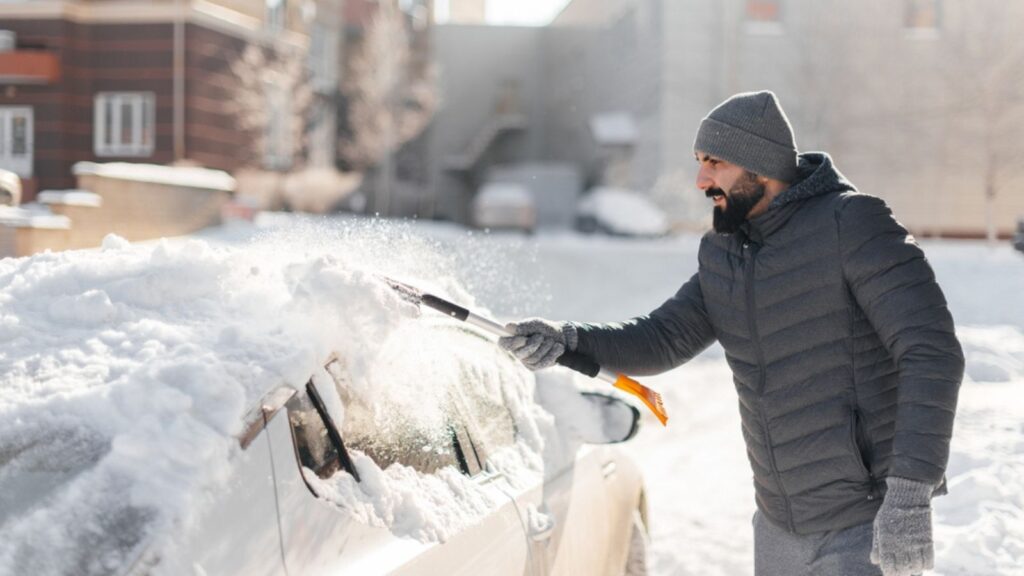
But here’s the thing. You must be mindful of what you store in your vehicle. That’s especially true during the winter season. So, even if your car has tons of interior space for people, pets, luggage, and much more, that doesn’t mean you need to or should store everything there.
Here are 15 things you should never leave in your car this winter. And no, there are no exceptions.
Laptops

Storing your laptop in your car isn’t a good idea at any time of the year. But it can be worse in the winter. Frigid temperatures can lead to condensation that damages your laptop’s hard drive.
Considering the cost of replacing a hard drive or a computer, it’s better to take care of what you have so you don’t have to shell out the big bucks to replace it.
Car Key Fobs

What could possibly go wrong if you leave your car’s key fob in the vehicle overnight when the temperatures are downright frigid? The cold temperatures can do a number of the fob battery since the chemical reactions that create energy will slow down.
So, do yourself a favor and keep your key fob with you. It’ll spare you the frustration of not being able to start your car in the morning.
External Hard Drives/USBs

Do you want to experience the horror of losing valuable documents, assignments, and other things stored on an external hard drive or USB stick? If so, place such a device in a freezing-cold vehicle.
Making this mistake might corrupt the data on the USB stick or external hard drive and render it unretrievable. You’ll want to avoid that nightmare.
Cameras

Another no-no is storing a camera in your car when it’s cold outdoors. Leaving your camera in a cold vehicle can shorten the battery life and cause condensation to form on the lens. That can be an issue if you want to take a once-in-a-lifetime photo but can’t because the battery is dead.
Bottled Water
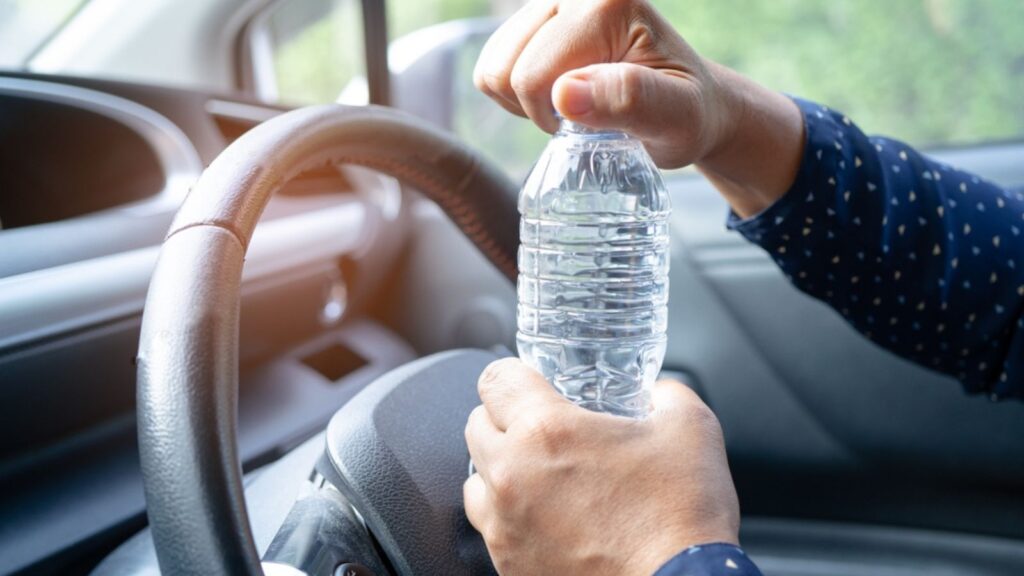
Storing bottled water in your car during the winter is a recipe for disaster. As the water freezes and expands, the glass bottle can crack, creating a mess and a safety hazard. It’s also a good idea to avoid storing water in plastic bottles in your car when the winter comes. The plastic bottle can crack and cause more problems than it’s worth.
Canned Soda

Leaving canned drinks in your card during the winter is something to avoid at all costs. The can could expand and explode. And that’s not hyperbole. Unless you want to roll the dice and hope for the best, don’t store canned pop in your car when the mercury in the thermometer drops.
Dairy Products

If you do groceries before heading to work on a cold day, leave the items in the car during your shift, and then bring them home, you might have a mess on your hands. Milk, yogurt, cheese, and other dairy products can go bad after freezing and thawing. The cold weather just isn’t enough to keep them chilled, so don’t count on it. You will have a small window to use them safely but don’t bank on them having the same shelf life.
Houseplants

If you’re thinking about leaving houseplants in your cold car, even for a short while, give your head a shake. The frigid temperature can make quick work of houseplants. That’s especially true if they’re of the tropical variety.
Medications

Leaving medication in a cold car can reduce their potency and effectiveness. It’s always better to be safe than sorry. If your prescription drugs have been exposed to cold weather for a prolonged period, it’s best to take them back to the pharmacy for replacements.
Aerosol Cans

It’s in your best interests to avoid storing aerosol cans in your vehicle during the winter season. Like pressurized soda cans, aerosol cans can explode if exposed to extreme temperatures at either end of the thermometer. If you don’t want the responsibility of cleaning up the contents of a demolished can or possibly have to clean up shards of glass if the aerosol container explodes and damages a window, store it inside.
Musical Instruments

If you play stringed instruments, you know cold weather can wreak havoc on the strings. You might have to tune up the instrument because the frigid temperature can get things out of whack.
But that’s a minor inconvenience. An even worse problem that can occur if instruments are left for too long in your car during the winter is cracking.
Glasses

Leaving your glasses in the car when it’s cold is only asking for trouble. Unless you want an excuse to splurge on a new pair, take your glasses with you when exiting your vehicle. Otherwise, you run the risk of warped frames or cracked lenses.
Pets

In this day and age, no one should have to be told not to leave pets unattended in their cars at any time of the year. But it’s even worse during the winter or the summer. Unfortunately, common sense isn’t as common as it should be. So, it’s worth repeating that pets should never be left unattended in a car–let alone when it’s freezing cold.
Eggs

If you buy eggs and leave them in the car until they break, that’s a waste of perfectly good eggs. You’ll have to dispose of them in such scenarios.
Sensitive Documents

It’s also a bad idea to store sensitive documents, like legal papers and passports, in your cold car. The freezing temperatures could damage the paper and ruin the structural integrity of the documents by making them brittle.
Beware When It Comes to What You Leave in Your Car During the Winter

You’ll want to avoid leaving these things in your car during the winter. Don’t throw caution to the bone-chilling wind. Exercise good judgment instead by knowing what not to keep in your vehicle even if you have enough space for them.
More From Driver’s Drift

16 Must-Have Car Gadgets That All Senior Motorists Should Own

12 Most Reliable Hybrids You Should Consider Buying as Your Next Drive

15 Best-Looking SUVS On the Market Today

14 Red Flags That the Odometer on Your Used Car Is Skewed