

While many electric vehicles have impressive towing and hauling specs, you need to read the fine print to understand the nitty-gritty before hooking up a trailer and heading out.
Towing and hauling do a number on the range. You might need an electric truck, SUV, or crossover with an above-average range to avoid being underwhelmed or disappointed when towing.
You’ll have to frequently stop at EV charging stations and discover that most of them weren’t designed for EVs towing trailers.
What’s the Range Hit Like?
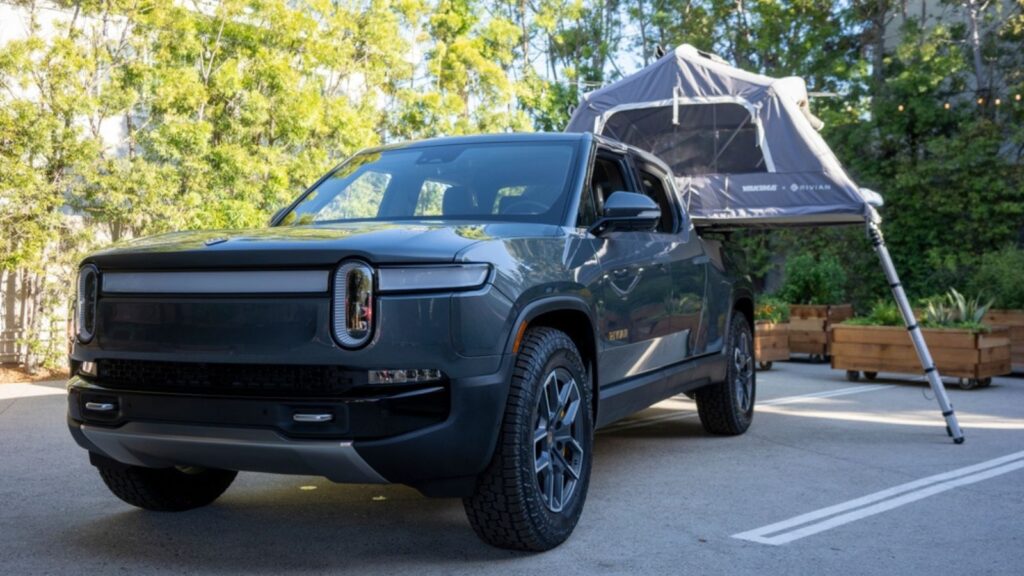
Rivian says its R1T EV has a towing capacity of 11,000 lbs, while its R1S has a towing capacity of 7,700 lbs. According to the EV maker, hauling 11,000 lbs will slash the range by around 50%.
If you need to tow a heavy trailer over long distances, there might be better options than an EV. It’s not that it can’t be done, but it will take more planning.
So, while EVs have many desirable qualities you need for towing, like fast acceleration and plenty of torque, towing can strain the battery and reduce range substantially.
Plenty of People Tow With Their EVs

Despite the range hit, many people tow with EVs. It’s about knowing their capabilities, understanding their limitations, and towing and hauling sensibly. Here are 14 things you must know before towing with an EV.
Reduced Range

The range can drop as much as 50% depending on the EV, the amount being towed, the distance traveled, and the vehicle’s and trailer’s aerodynamics—factor all of the above into the equation before towing with an EV. Otherwise, you may end up stranded on the side of the road with no EV charging station in sight. That’s a nightmare scenario for any driver.
Plan Charging Stops
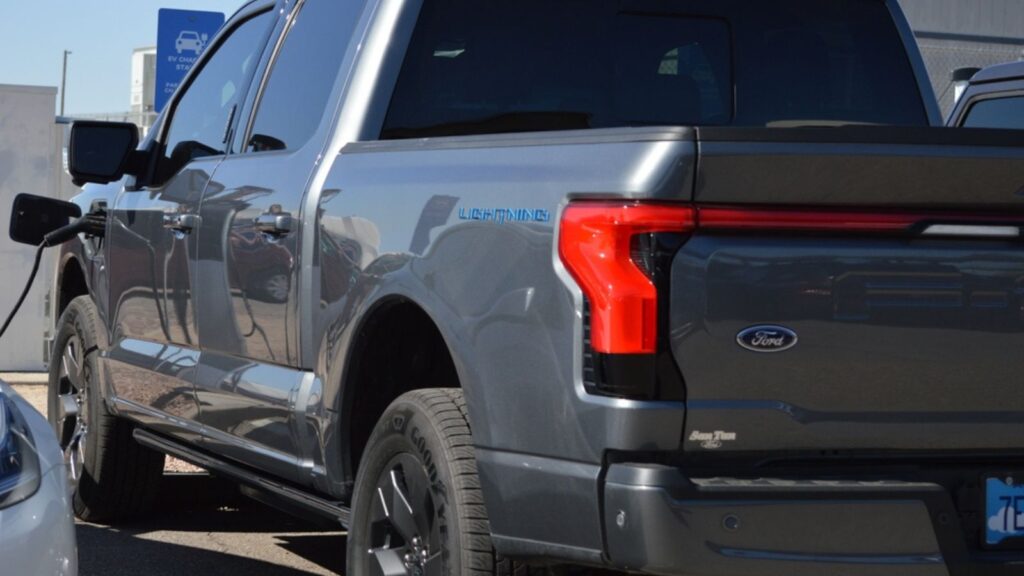
It makes sense to plan your charging stops, and that’s all the more essential if you’re traveling long distances. Remember that not all EV charging stations are built with towers in mind. You may have to unhook the trailer someplace, drive to a charger, drive back to the trailer, and hook it up to the EV. It can get annoying to go through all these steps. So, planning your stops to include EV charging stations that accommodate EV drivers towing trailers will be worthwhile.
Battery Health
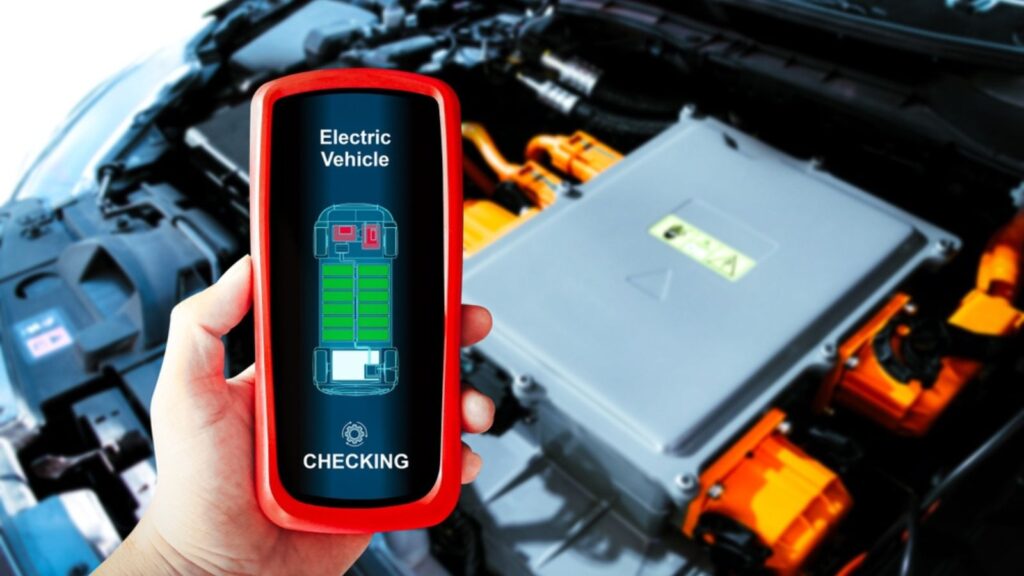
Towing excessively can negatively impact your EV battery’s longevity, so keep that in mind if you frequently tow heavy loads. Electric trucks may be more suitable if you need to do heavy-duty towing often, and it may be worth paying a premium for one of those.
Use Regenerative Braking

Find an EV that uses regenerative braking. By leveraging the power of regenerative braking, you can recoup some of the energy generated by braking and direct it back to the battery for more range. Every little bit helps.
Understand Towing Capacity

Check the owner’s manual to get all the particulars about your EV’s towing capacity. Whether driving an EV or an internal combustion engine truck, SUV, or crossover, exceeding the towing specs is a no-no. Throwing caution to the wind could damage your vehicle and void its warranty.
Consider Payload Capacity

When towing an EV, you must consider the payload capacity. This includes the trailer, the weight of all passengers, and any cargo. Tally up the payload capacity to ensure you can safely tow.
Use the Right Hitch
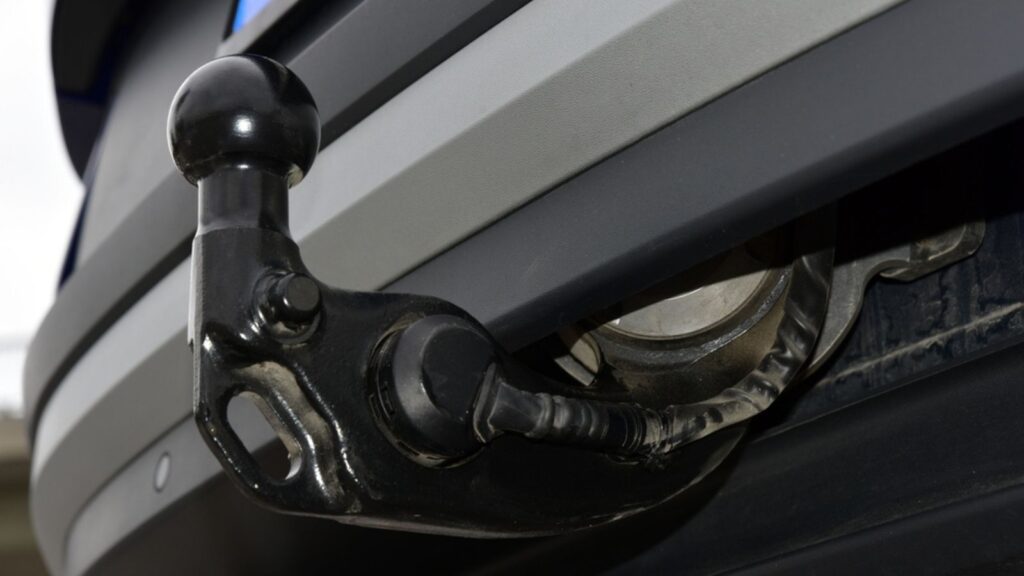
You’ll want to get the right tow hitch. It’s a mistake to assume that all hitches suitable for internal combustion engine vehicles are compatible with all EVs. Find a tow hitch that is compatible with your EV.
Weight Distribution

It’s essential to distribute the weight correctly on your trailer. This will afford safer and more efficient towing, potentially giving you more range. Get a weight distribution hitch. They’re designed to create a level and stable ride when towing. You’ll find it especially helpful when hauling heavy loads over long distances.
Drive at Moderate Speeds

Your speed will influence how many miles you get on a single charge. So, if you’re towing a trailer, drive at a moderate speed. It’s one thing to drive fast when you’re not towing or hauling anything. But it’s another thing if you’re driving fast when towing a trailer or hauling stuff in a truck bed.
When dialing down the speed, it might take you longer to reach your goal, but the range hit will be less severe.
Select Eco Mode

When towing with your EV, select eco mode. This will achieve greater range and lessen the strain on the battery.
Choose Higher-Powered Chargers

Considering the range drop when towing, you’ll want to use higher-powered chargers. Charging exclusively with Level 3 chargers is never a good idea, but using them when towing over long distances can minimize downtime, so you spend more time on the road than at charging stations.
Avoid Steep Hills

It’s best to avoid steep hills if you can. Use a route planner to see if you can travel without uphill climbs that quickly drain your EV battery.
Consider Wind Resistance

You’ll also need to factor in wind resistance. Wind resistance from bigger trailers can adversely impact range if towing on a particularly windy day. Buying an aerodynamic trailer can help.
Enable Towing Mode
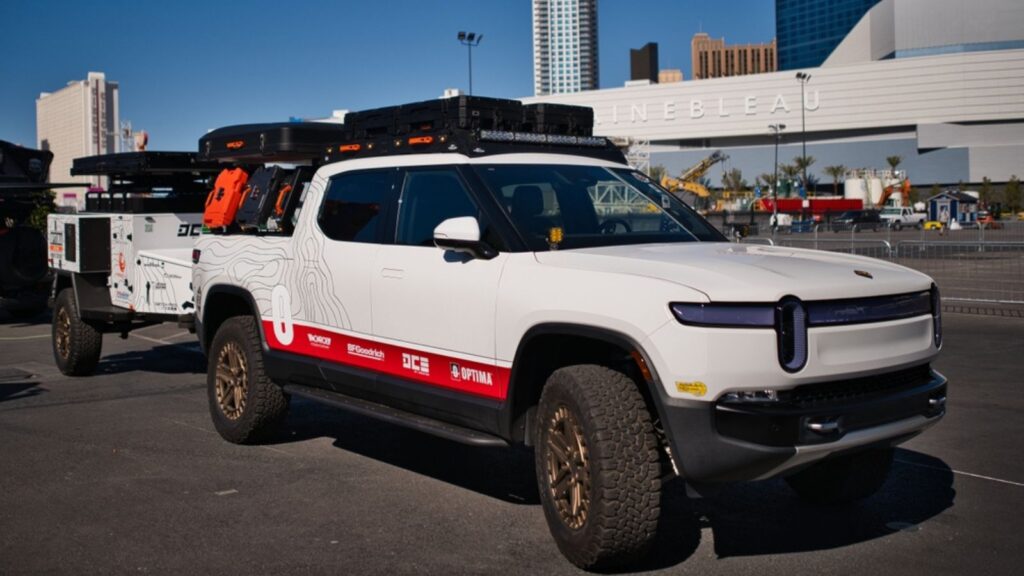
Some EVs have towing modes. If yours does, use it whenever you tow. A towing mode adjusts the torque and other things to maximize range, so it’s worth using if your vehicle has it.
Towing With an EV Is Possible

While some doomsday prognosticators would have you believe it’s impossible to tow with EVs, the reality is that you can as long as you understand the possible limitations. Ensure you know what your EV can and cannot do to avoid disappointment.
More From Driver’s Drift

15 Classic Cars That Still Fly Off the Lot

16 Used Cars That Will Outlast Most New Cars on the Dealership Lot

12 Affordable Sports Cars That Can Go Head-to-head With the Porsche 911

16 Used Cars Known to Last Over 500,000 Miles


