

Plug-in hybrid sales rose to 2% from 1.7% of the combined light-duty market in the first quarter of this year versus the first quarter of 2023. That might not seem like much. However, considering that hybrid and plug-in hybrid sales are eclipsing EV sales, it means a lot.
While EVs are the way to go for people desiring all-electric cars, trucks, and SUVs, some consumers aren’t quite ready to ditch their gas engines.
Warming Up to Plug-Ins?
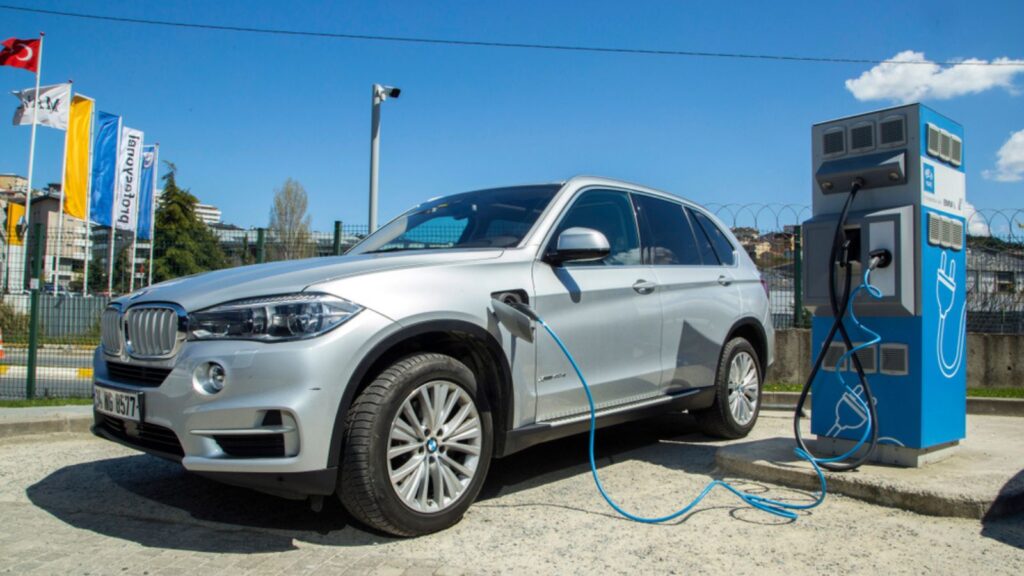
Many motorists are warming up to buying plug-ins that combine EV batteries with gas engines. Something about that setup appeals to consumers who otherwise would stick to their internal combustion engine vehicles and give EVs a wide berth.
Continue reading to learn 15 facts about plug-in hybrids.
Plug-Ins Merge EVs and Gas Engines

Plug-in hybrids are the middle ground between EVs and internal combustion engine vehicles. Rather than an EV battery or gas engine, you’ll get both. That’s appealing to some consumers who want the benefits of EVs with the convenience of gas engines.
Plug-Ins Offer Electric-Only Driveability

Consumer Reports says a plug-in hybrid can give you up to 50 miles of electric-only range. Depending on your daily commute, you might get by on battery power without tapping into the gas tank.
Plug-Ins Offer a Good Overall Range

Car and Driver reports that plug-ins can offer a combined range—electric-only and gas—of up to 680 miles, depending on the model. In other words, you can drive for long distances without having to recharge the battery or fill the gas tank.
Plug-Ins are an Option for People With Range Anxiety

The average EV range in the U.S. is nearly 300 miles. Some EVs offer 400 miles or more. You could argue there’s no real need for range anxiety at all. But if you still have concerns about being stranded on the shoulder of the highway, a plug-in hybrid might be the perfect compromise.
A Plug-In Could Be a Baby Step Towards Buying an EV

While some people love plug-ins, others eventually trade them in for EVs. Owning a plug-in and learning more about its charging infrastructure—and possibly eliminating range anxiety—may convince plug-in owners to go the EV route.
Plug-Ins are a Priority for Carmakers

General Motors is an example of a car manufacturer that has dialed back its EV strategy and ramped up its plug-in vehicle strategy after gauging market demands and consumer interests. GM had previously intended to skip plug-ins and go all-in on EVs, and they’re far from alone in this strategy reversal.
Plug-Ins Provide Fueling Options

Imagine being on a long road trip in an EV and having to wait for hours to plug in at a public charging station. With a plug-in hybrid, you can fill up at a gas station or charging station. You’ll be on your way in no time.
Plug-Ins Could Be the Answer if You Live in a Rural Location

Some would rather live in rural environments over concrete jungles filled with people, towering infrastructure, and paved roads. But if you live in an area with a limited EV charging infrastructure, you might avoid going all-electric.
A plug-in hybrid with an EV motor and gas engine could be the answer. When you can’t find a public charging station, head to a gas station instead.
Plug-Ins May Qualify for Government Rebates

Government incentives aren’t just available for EVs. You can get them for plug-ins, too. Consumer Reports states, “If you’re thinking about buying an electric car or a plug-in hybrid, you should be aware that some vehicles are eligible for a federal EV tax credit of up to $7,500.” A tax credit could make getting a plug-in even more cost-effective.
Plug-Ins Use Regenerative Braking to Top Up the Battery

Regenerative braking is when a plug-in hybrid converts energy generated by braking and slowing down into power that feeds the battery. Otherwise, that energy would be lost.
Plug-Ins Are Super Quiet in Electric Mode
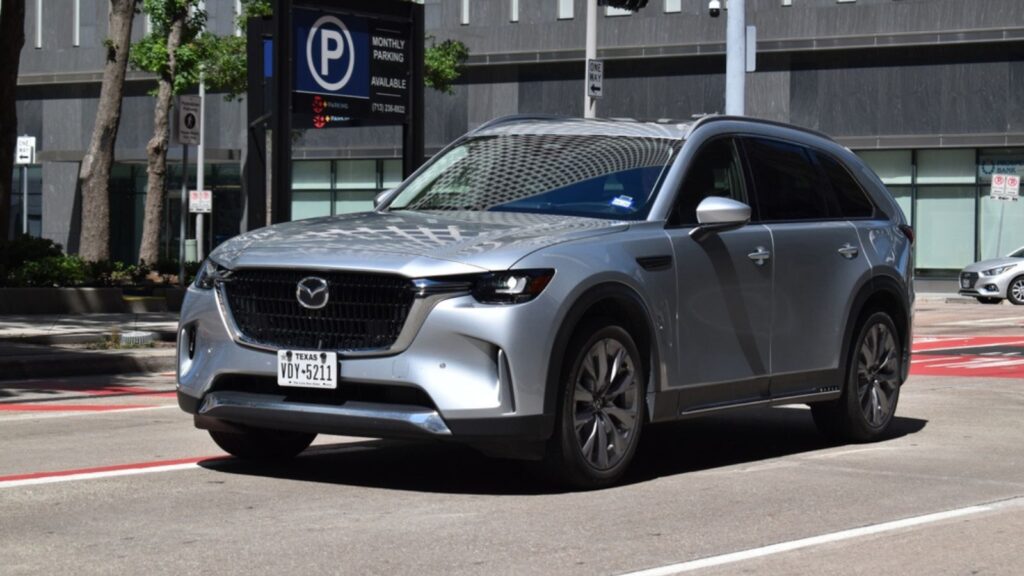
If you’ve never driven a plug-in hybrid, you’re in for a big surprise. Behind the wheel of a plug-in, you’ll find it to be eerily silent in all-electric mode. You’ll learn to love the peace and quiet before too long.
Plug-Ins Make Home Charging Easier

One source says home chargers for EVs can cost $500 and up. If you have a 240-volt setup, installation could cost an additional $200 to $500. But if you lack a 240-volt setup, it could cost you a further $1,000 to $1,500.
If you purchase a plug-in hybrid, you can avoid all those costs. You can charge it using a standard 120-volt outlet.
Plug-Ins Can Save You a Ton of Fueling Costs

Charging a plug-in hybrid at home is usually less expensive than filling the tank at a gas station. This is especially true if you charge your plug-in during off-peak hours when electricity costs are lower.
Plug-Ins Offer Environmental Benefits Compared to Gas Cars

Driving a plug-in hybrid is better for the environment than driving a car with an internal combustion engine. It produces fewer harmful emissions and has a lower carbon footprint than a car with a gas or diesel engine.
Plugs-Ins Are Usually Pricer Than Their Gas-Only Counterparts

You’ll usually pay more for a plug-in hybrid than its gas-only counterpart. Even so, the money you can save by driving a plug-in hybrid vehicle can lead to savings that offset the initial purchase price.
That’s What You Need to Know About Plug-In Hybrids

Plug-in hybrids used to be an afterthought as automakers and consumers focused more on EVs. But plug-ins are now considered a viable option whether you need a baby step towards an EV or want the best of both worlds with an EV battery and a gas engine.
More From Driver’s Drift

17 Cars That Are Incredibly Fun to Drive

13 SUVs with the Most Luxurious Interiors

13 Cars Owners Wish They’d Never Purchased

16 Reasons Why Some Americans Will Never Embrace Electric Vehicles


