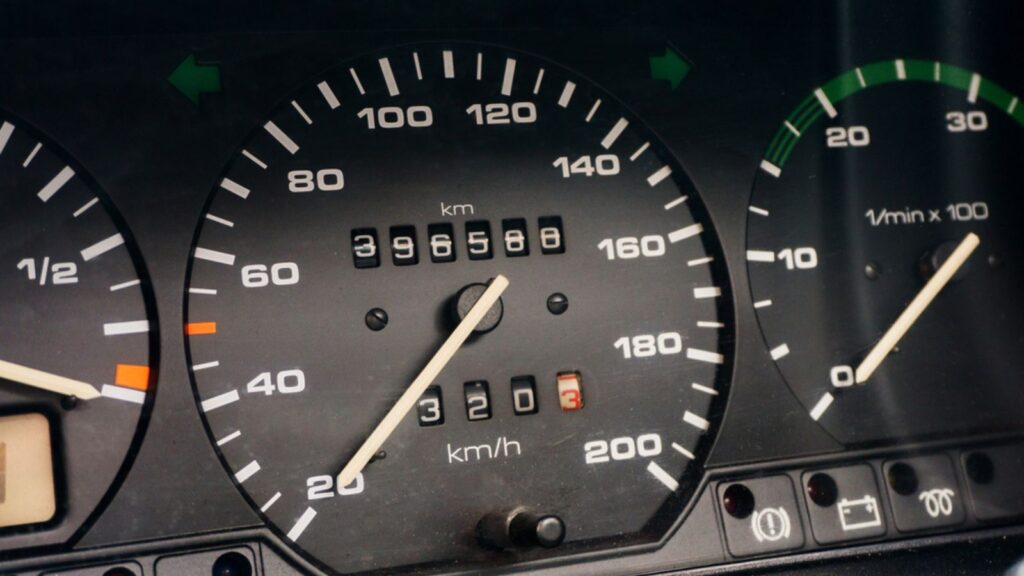
While the notion of driverless cars was once the stuff of sci-fi, life is starting to imitate art. The rise of electric vehicles has introduced various degrees of autonomous driving and provides evidence that fully self-driving vehicles might not be a far-fetched idea.
U.S. News & World Report says there are no fully self-driving vehicles on the market yet, and that won’t change any time soon. Some EV makers are further along in providing owners with self-driving features. Tesla’s autopilot and full self-driving (assisted) technology are one example. But other automakers are rolling out self-driving features, too.
It Could Take More Than a Decade for Fully Autonomous Cars to Be a Reality

According to one source, fully autonomous vehicles could not become a reality until about 2035. The timeline is a function of factors like infrastructure, safety, and reliability.
There are five levels of autonomous driving—ranging from Level 0 with no driving automation to Level 5 with full self-driving automation. Most cars on the road today are at Level 0. But that doesn’t mean you can’t find some vehicles on the market with some self-driving capabilities.
While the race toward autonomous driving is partly a testament to human advancement, the technology frightens some people.
What Are Some of the Things That Trouble People About Driverless Cars?

You won’t have to worry about driverless cars flooding the streets in large numbers for the foreseeable future. But the odds are that fully autonomous vehicles are coming. So, ready or not, they’re on their way. It’ll be a matter of accepting the new reality when that time comes.
Here are 14 things you must know about driverless cars so you’re not blindsided when they arrive.
Machine Learning

Self-driving cars depend on various technologies like machine learning, sensors, artificial intelligence, cameras, global positioning systems, radar, and LiDAR. When looking at machine learning, it’s vital to know that autonomous cars use it to learn and improve driving behavior over time. At least, that’s the way it’s supposed to work.
Accident Liability

As fully autonomous vehicles move closer to being a reality ready to roll out to the masses, concerns about accident liability continue to grow.
When an accident occurs between vehicles with no self-driving capabilities, it’s relatively easy to determine the at-fault party. But when one or more parties drive autonomous cars, it’s harder to determine who or what is responsible. Some might argue that the software developer and manufacturer should at least share responsibility with human drivers.
System Failures
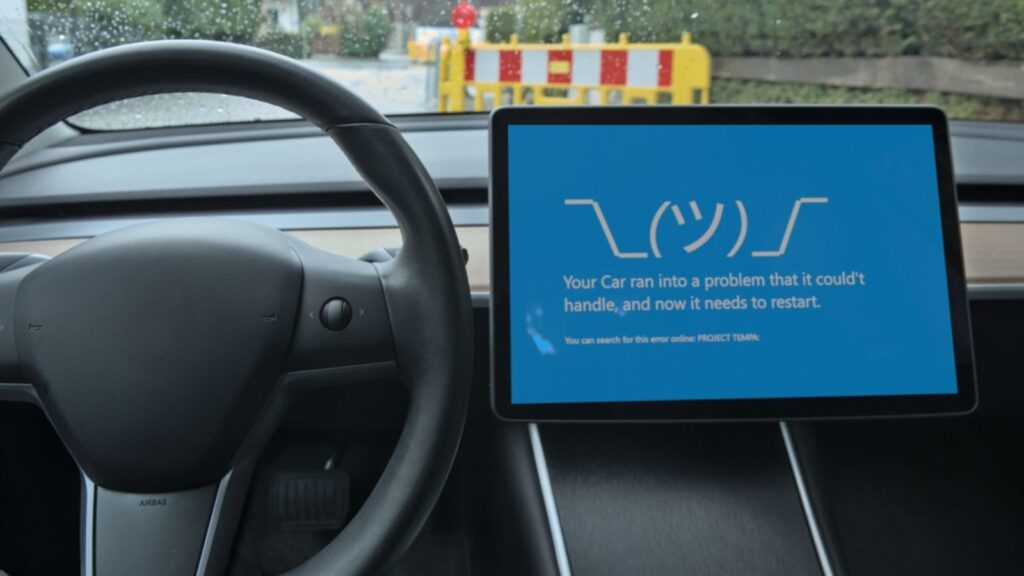
Some people worry about possible system failures like the steering function, brakes, sensors, and how the self-driving vehicle will respond on the fly if something breaks down.
Unpredictable Scenarios

Anytime there’s news about an accident involving a self-driving car, people wonder whether the dream of fully autonomous vehicles is a realistic or desirable goal.
In mid-October, the National Highway Traffic Safety Administration said it kicked off an investigation into 2.4 million Teslas with full self-driving software after four reported accidents.
The only way the public will come to accept fully autonomous vehicles is if these sorts of issues are fixed.
Sensor Blind Spots

When considering there are close to 840,000 blind spot collisions annually, resulting in approximately 300 deaths, maybe self-driving cars aren’t such a scary proposition.
Self-driving vehicles rely on sensors to monitor blind spots in a way that’s not easy for human drivers. While this is a useful feature, some worry about possible malfunctions that render the sensors useless. For example, it could make it easier for a car to miss people, animals, or objects in blind spots.
Cybersecurity Threats

Even the FBI believes that self-driving vehicles are a potential security risk. They’re another platform terrorists can use to hurt civilians. Who wants to envision a scenario where a terrorist hacks into a self-driving car and takes control of it, to the horror of the occupants?
The FBI also highlights the potential for bad actors to misuse personal information gathered by these vehicles.
Decision-Making Ethics
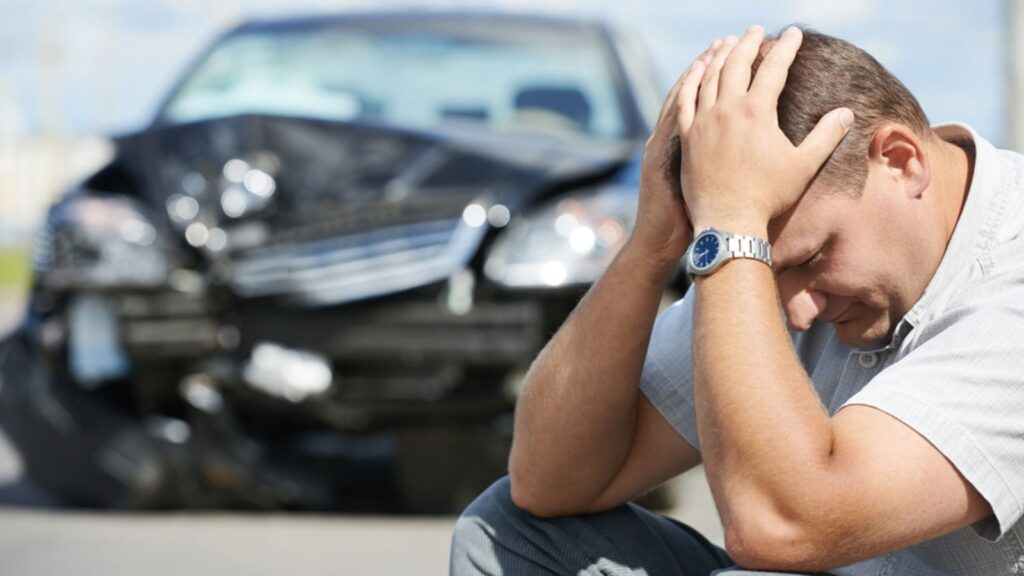
There are also questions about an autonomous vehicle’s decision-making ethics. In other words, how will such a vehicle prioritize what to do when an accident is unavoidable? Will it aggressively brake and all but guarantee a rear-end collision, turn right and end up on a crowded sidewalk, or turn left into the path of oncoming traffic?
Lack of Human Judgment

Will the technology empowering self-driving vehicles accurately interpret human gestures like someone waving to cross the road? Some worry that a machine’s lack of human judgment could create dangerous situations.
Loss of Control
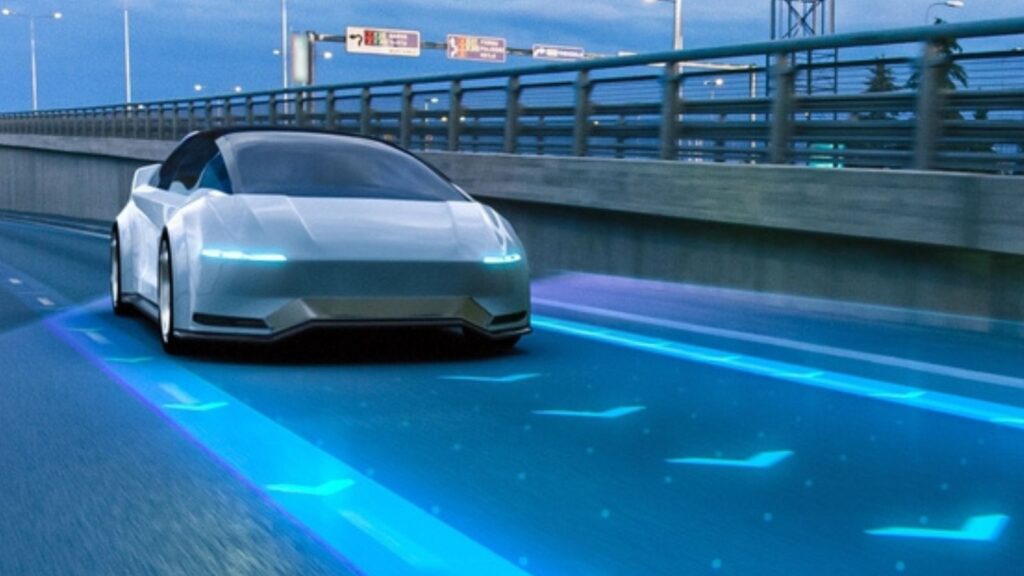
If cars can drive without human intervention, will that mean humans can’t intervene in emergencies? Some wonder whether fully self-driving vehicles will accept human input over doing what they believe is the right thing in different scenarios.
Cultural Differences

How will self-driving vehicles deal with driving habits or behaviors in different countries or other parts of the world? Motorists might not appreciate if the driving norms in one country are forced upon drivers in other nations.
Job Losses
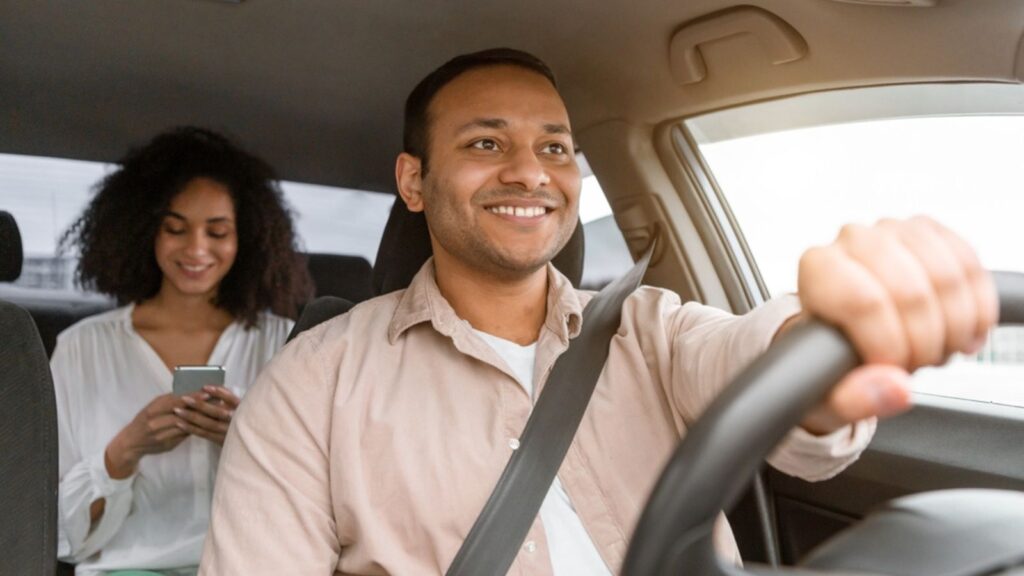
Considering that some regions in the U.S. already have self-driving taxis, another concern is whether the rise of this technology could threaten the jobs of people who drive taxis, trucks, and delivery service vehicles.
Passenger Trust

It’ll take time before people get used to being passengers in cars that aren’t operated by humans. How long it takes passengers to get used to this new normal is anyone’s guess.
Lack of Adaptability

Sometimes, GPS units don’t work well on unmarked streets or unconventional road layouts. You may wonder whether such scenarios could confuse fully self-driving cars and leave them not knowing what to do or where to go.
Transition Period Risks

It’ll be quite the feat to integrate fully self-driving cars onto roads populated almost entirely by human-driven vehicles. While the age of fully autonomous cars could be a decade or more ahead, time goes by faster than people think. So, it’s essential to consider the possible impact.
It’ll Be Interesting to See What’s Ahead

Whether you’re ready or not, driverless cars are coming. You’ll have to get used to driving on roads and highways with vehicles operated without the intervention of human drivers.
More From Driver’s Drift

16 Must-Have Car Gadgets That All Senior Motorists Should Own

12 Most Reliable Hybrids You Should Consider Buying as Your Next Drive

15 Best-Looking SUVS On the Market Today

14 Red Flags That the Odometer on Your Used Car Is Skewed