With north of 3.3 million electric vehicles registered in the United States last year, it’s clear that more owners of internal combustion engine vehicles are ditching gas stations for EV charging stations.
California leads the pack by a country mile with 1,178,948 registrations. Second on the list is Florida, with 231,518. That’s followed by Texas with 210,433, Washington with 141,055, and—rounding out the top five—New Jersey with 125,317.
While people are saying goodbye to gas- and diesel-engine vehicles for all-electric cars, trucks, SUVs, crossovers, and minivans, that doesn’t mean it’s easy sailing for the EV industry.
A Record Number of EVs Sold in the U.S. Last Year

Cox Automotive reports that 1.2 million EVs were sold in the U.S. last year—a record sales tally that’s up 5.9% year-over-year. Another source says 2024 sales in the EV segment will be 20% more than in 2023. It adds that Cox Automotive believes north of 10% of all vehicle sales this year will be EVs.
EV Enthusiasm Is Leveling Out

Automakers are scaling back production of EVs due to slowing growth in the segment. Instead of focusing only on EVs, they’re shifting much of that concentration to plug-in hybrids that combine gas engines and electric batteries to give consumers the best of both worlds.
That’s not to say EVs are a fad from the green revolution. Growth has just slowed slightly, convincing some automakers to focus on plug-in hybrids.
If you want an EV but are sitting on the fence, the best thing you can do is listen to what EV owners say about the vehicles they drive to work, appointments, and errands.
Here are 14 of the biggest complaints EV owners have about their vehicles.
They Hate the Spotty Charging Infrastructure

The EV charging infrastructure is much better now than a few years ago. But that doesn’t mean public EV chargers are as easy to find as traditional gas stations. Some EV owners get ticked off when they can’t find somewhere to top up. Their anxiety can go up substantially if they’re in parts of the country where the infrastructure leaves something to be desired.
They Hate the Long Charging Times

While most people know it can take a while to charge an EV, it’s harder to deal with when you own the thing rather than just read about it.
A Level 1 charger can take eight to 50 or more hours to charge a battery to 80%. The time range can drop to between four and 10 hours using a Level 2 charger and between 20 minutes and one hour when using direct current fast charging. Even the quickest charger takes longer than filling up on gas or diesel at a fuel station.
They Hate Installation Costs for Home Charging

Depending on where you live and the skill and experience of the electrician, you might pay between $500 and $2,500 to install a Level 2 EV charger at home. But if you need a new fuse panel and wiring, don’t be surprised if the price tag hits the five-figure mark.
Prices like that are enough to test the patience of even the most steadfast environmental steward.
They Hate Broken or Unavailable Chargers

While range anxiety doesn’t have to be as big a deal if you buy an EV with sufficient range, EV charging station anxiety is alive and well.
EV owners hate it when multiple stalls at crowded EV charging stations are non-functional. This leads to longer wait times and trips.
They Hate the Higher Expense for Fast Charging

One of the reasons people buy EVs is to eliminate the need to spend a lot of money on gas or diesel. But if they go to a fast charger, they often end up with a bit of a shock when they see how expensive fast chargers can be. The cost can rival what they’d pay to fill a tank with gas or diesel.
They Hate the Range Hit Winter Brings

One source says EVs usually retain about 70.3% of their range in frigid temperatures. It adds that EVs can lose an average of 41% of their range at 20°F with the heat on. If you’ve got things to do, places to be, and people to see, who’s got the patience for a range-deficient EV in the winter?
They Hate the Lack of EV Charging Station Etiquette
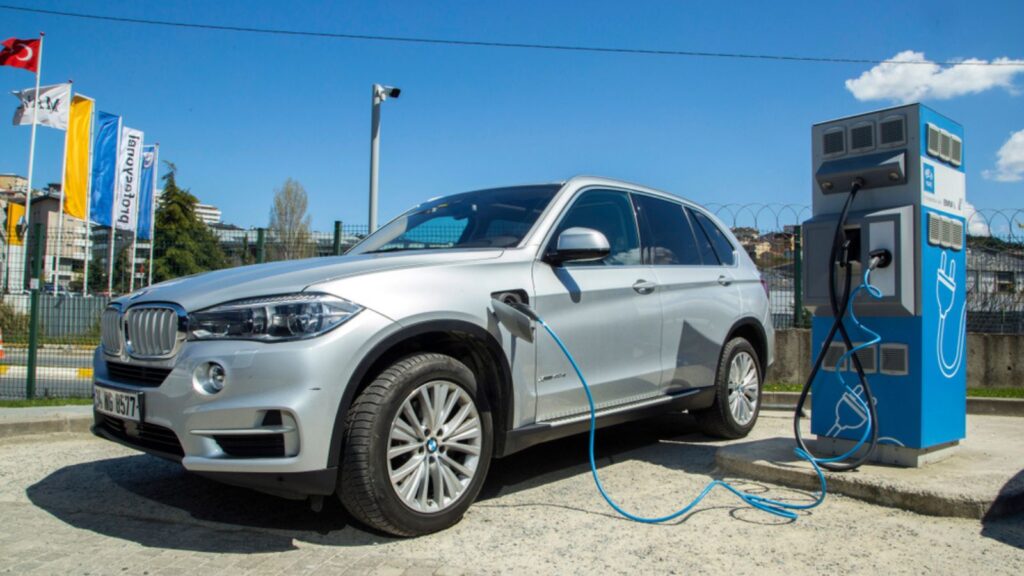
Many EV owners can avoid public EV charging stations if they have home charging. However, there are times they may need to refuel on the road.
One thing that gets under their skin is the lack of etiquette. For instance, some EV owners park in a way that blocks access to chargers. Others hog fast chargers even if their EVs can’t benefit from fast charging, and many plug-in hybrid owners take up a spot at a busy EV charging station when they could easily top up at a less-crowded gas station.
They Hate the Limited Towing Capability

If you tow with an EV, expect a substantial range hit. How much range you lose will depend on the vehicle, the trailer, the load, the distance, and other variables. People who buy EVs with the hopes of towing with them hate that towing does such a number of the range of their EVs.
They Hate the Lack of Engine Noises

Believe it or not, some people enjoy the sound of an engine that runs like a well-oiled machine. So, they may hate that they can’t hear a thing when driving their EVs.
They Hate the Higher Insurance Premiums

One source says insuring an EV typically costs 20% more than insuring a comparable gas-engine vehicle. If you’re on a fixed budget, an extra 20% might be a big deal. That insurance premium hike gets some EV owners hot under the collar.
They Hate Depending on Software Updates

Another thing many EV owners hate is a dependence on software updates to keep their vehicles running properly. Over-the-air updates can make things easier since EV owners won’t have to go to service centers to get them, but it can get annoying for people who aren’t used to these software updates.
They Hate Waiting for Scarce Spare Parts

Some EV owners hate the long waits for some parts. If you have an EV that needs a repair but must wait for weeks or months for the parts, that could sour your EV ownership experience. Unfortunately, there is a parts scarcity for some vehicles. That can test your last nerve.
They Hate the High Repair Costs After Accidents

Because EVs are such high-tech machines, the costs of repairing them after accidents could make your jaw drop. That’s one reason insurance for EVs is higher than for internal combustion engine cars. EV owners might love their cars but hate the repair costs after accidents.
They Hate the Risk of Obsolescence
Yet another thing EV owners hate is the risk of obsolescence. Technology is advancing, and there’s no guarantee that this year’s up-and-coming new tech standard will be anything but antiquated in a few years.
There Are a Few Things EV Owners Hate About Their Cars

You can see there are a few things that EV owners dislike about their vehicles. The best thing you can do before buying one is research the space so you know what you’re getting into—literally and figuratively.
More From Driver’s Drift

16 Must-Have Car Gadgets That All Senior Motorists Should Own

12 Most Reliable Hybrids You Should Consider Buying as Your Next Drive

15 Best-Looking SUVS On the Market Today

14 Red Flags That the Odometer on Your Used Car Is Skewed