
Buying a car sight unseen isn’t the wisest strategy for your hard-earned money. Even if you see a car in person, you might miss something. Just imagine how much riskier it is to buy one without setting eyes on it before pulling the trigger on a deal. You might end up regretting it.
Things Aren’t Always What They Seem

While most people selling their cars online would never intentionally rip anyone off, others simply prioritize unloading their clunkers for the highest amounts possible.
A sight-unseen transaction will favor a seller, especially an unscrupulous one, looking to unload something as soon as possible. That’s particularly true if it’s an “as is” deal, where you get what you get.
When Should You Consider Buying a Car Sight Unseen?

It’s hard to recommend ever buying a vehicle sight unseen. Too much can go wrong when going that road. You’re better off making the time to see the vehicle. Give it a once-over, put it through its paces on a test drive, negotiate face-to-face with the owner, get a pre-purchase inspection, and seal the deal if everything pans out.
While nothing beats getting off your rump and seeing a car in person, one possible exception to the never-buy-a-car-sight-unseen rule is if you know and can personally vouch for the seller. So, if you’re going to throw caution to the wind, do so with a seller you trust.
It’s Still Best to Buy in Person, Though

Your best bet when looking for a car is to limit your geographical focus. Ensure the search area you target is reasonable, so driving down to the seller and seeing the car up close isn’t a chore.
If you find a deal you feel compelled to take advantage of, here are 13 must-know tips to minimize the odds of being taken for a ride.
Do Thorough Research on the Model
Research is an essential part of any car-buying process. But doing so is crucial when you plan to buy one sight unseen. Once you decide what you want, research the make and model exhaustively.
Check out the best model years and the ones to give a wide berth. Review reliability ratings, recall notices, professional online reviews, and owner reviews. Doing the above will give you a good picture of what you might be getting yourself into.
Verify the Dealer or Private Seller’s Reputation

If buying a car sight unseen, it might be more advantageous to do so from a dealer than a private seller. The reason is you can more easily verify the seller’s reputation. Don’t just look at the testimonials on the dealer’s website. Check the Better Business Bureau, car forums, newspaper articles, and other sources to get as much information as possible.
If buying from a private seller, verify the person is who they say they are. It’s also best to meet the person for a video chat to talk specifics.
Request a Comprehensive Vehicle History Report
Whether buying a vehicle in person or sight unseen, you should always insist on a vehicle history report. A seller should provide one as a courtesy. But if they’re not being courteous, ask for one.
They can easily be obtained from AutoCheck or Carfax and will disclose any reported accidents, ownership, mileage, and maintenance. What you glean from the vehicle history report will inform whether you should proceed with the transaction or make a U-turn and look elsewhere.
Get a Professional Inspection

Just because you’re buying sight unseen doesn’t mean you can’t have a mechanic check out the vehicle before deciding whether to proceed. You’re playing with fire if you skip this step. So, find a mechanic in the seller’s area. And arrange with the seller and the mechanic to book an appointment for a pre-purchase inspection.
Get Detailed Photos and Videos
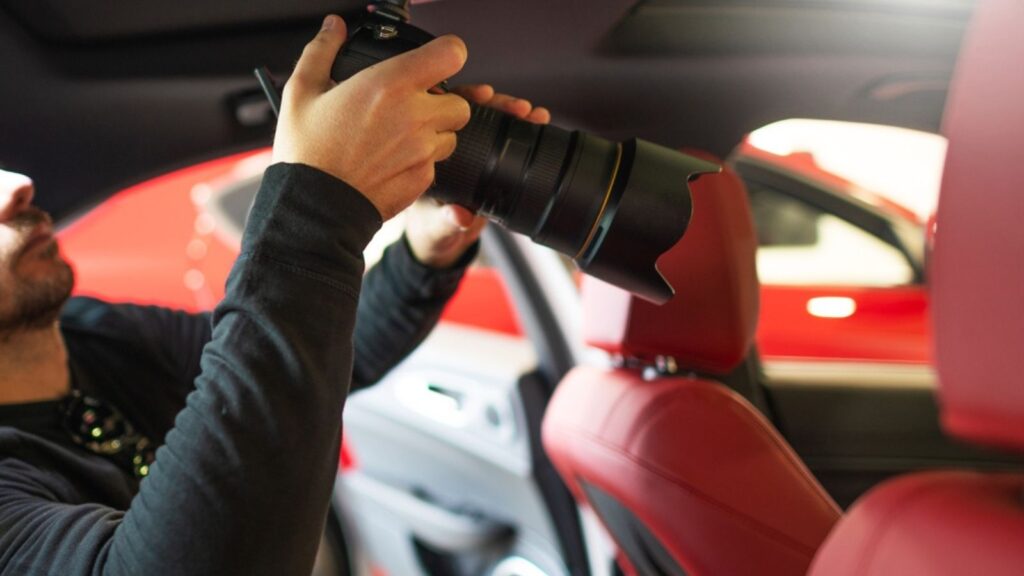
If you’re not going to see the car during the buying process, you might as well get the next best thing. That involves requesting quality videos and photos. Ask the seller to take footage of the vehicle’s interior and exterior in great detail so you see every square inch, including under the hood and undercarriage.
Confirm Mileage Accuracy

The National Highway Traffic Safety Administration estimates that 450,000+ vehicles are sold annually with falsified odometer readings. This crime costs American vehicle buyers over $1 billion a year.
One way to avoid being another victim of odometer tampering is to verify that the odometer reading in the vehicle you want matches the mileage listed on the vehicle history report. Another tip is to pay close attention to the dashboard if the seller takes a video of the interior.
If the dashboard or instrument panel seems to have been removed and replaced, that could be a sign that someone did some odometer tampering.
Use Trusted Payment Methods
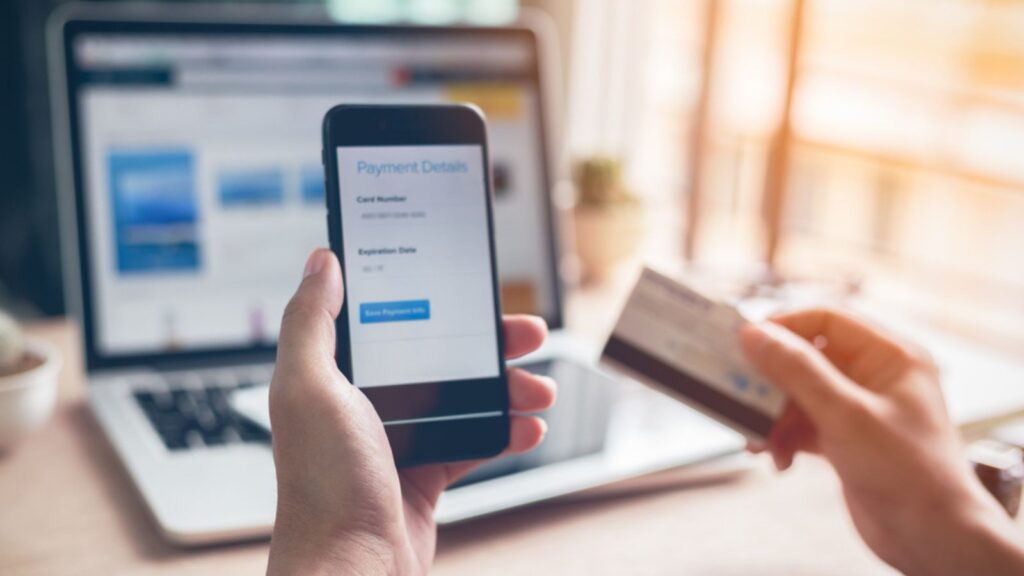
When it comes to payment, play it safe. Yes, wire transfers or e-transfers are quick and easy, but they also afford little protection. It’s best to use an escrow service to hold the funds until you get the vehicle and are sure you’re satisfied.
Look at Vehicle Title and Ownership Documents

Pay careful attention to the vehicle title and any ownership documents. You can request that the seller show these on a video call—up close so you can see all the relevant details. Ensure the vehicle has a clear title with no nasty surprises like liens you’ll be on the hook for if they’re not settled before you take possession. Don’t waste more of your time if a seller drags their feet about these documents. Let them know there’s no deal if you don’t get proof of ownership.
Ask for Cold-Start and Driving Videos

In addition to general pictures and videos, ask the seller for videos of cold starts and driving. A cold-start video will give you the information you need to see if something is wrong with the engine. You’ll also benefit from videos of someone driving the vehicle since you may pick up on things when buying something sight unseen.
Negotiate Based on Market Value

Use resources like Edmunds and Kelley Blue Book to determine where to start negotiations. As long as you and the seller are reasonable and agree on the car’s overall condition, you should be able to hammer out a deal.
Factor in the Shipping Costs

You must consider shipping costs when looking for a car far from home. These expenses can be considerable depending on your distance from the seller. When budgeting for a vehicle, it might be easy to overlook the cost of getting it to you. It’s an expense you don’t want to forget.
Research State Laws and Fees

Are you planning to buy a vehicle out of state? If so, don’t assume that vehicle registration and taxes are uniform across the U.S. It’s your responsibility to research this information so there are no unnecessary hiccups along the way.
Be on the Lookout for Deals Too Good to Be True

Be mindful of possible scammers. If something seems too good to be true, it probably is. For instance, A price much lower than the market suggests is a reason to be careful.
Buying Sight Unseen Isn’t for the Faint of Heart

While it’s best not to buy a car sight unseen, there are steps to minimize the danger if you choose to do so anyway. These 13 tips might help you avoid a particularly nasty case of buyer’s remorse.
More From Driver’s Drift

16 Used Cars That Will Outlast Most New Cars on the Dealership Lot

12 Affordable Sports Cars That Can Go Head-to-head With the Porsche 911

14 Cars That Consistently Fail Crash Tests

16 Used Cars Known to Last Over 500,000 Miles


