

Nearly 1.5 million plug-in hybrid vehicles were sold in the United States last year, according to Statista. While many electric vehicle makers were bullish on manufacturing EVs for the masses, some have toned down the pro-EV rhetoric in favor of manufacturing plug-in hybrids.
The reason is simple: many people are still reluctant to give up their gas and diesel-engine cars for EVs. So, carmakers are focusing on the middle ground—plug-in hybrids.
But while many people are dipping their toes in the water with plug-in hybrids ahead of transitioning to fully electric cars down the road, there are 16 mistakes plug-in hybrid owners make.
Not Charging Regularly

One common mistake among plug-in hybrid owners is failing to charge the battery regularly. Plug-in hybrids combine an EV motor with an internal combustion engine. But if you’re not regularly topping up the battery, you’re frittering away a significant advantage of having a plug-in hybrid in the first place. Your fuel efficiency won’t be as good as it could be if you’re not using a balance of battery and engine power.
Using Gas Too Often

This one is an extension of the above. If you’re failing to keep your battery full, you’ll spend a lot of time at the gas station filling up the gas tank. Plug-in hybrids tend to have smaller engines and gas tanks than internal combustion engine cars. So, if your battery is empty and you’re only using the gas engine, you’ll have to stop frequently to fill the gas tank.
Neglecting Battery Health

Another mistake owners of plug-in hybrids often make is paying little attention to battery health. If you leave the battery at a low charge for long periods, the cells could degrade over time. Your best bet is to familiarize yourself with proper battery charging habits to avoid premature battery failure. It can cost a small fortune to get a new battery.
Skipping Routine Maintenance

Don’t assume that a plug-in hybrid doesn’t need much in the way of maintenance. Tires, brakes, and other components must be maintained. According to GreenCars, you should get the hybrid parts of your plug-in hybrid checked when you get an oil change every 3,000 to 5,000 miles.
Accelerating Too Quickly

Yet another mistake to be mindful of is accelerating too quickly. Driving too aggressively can drain the battery quickly and lessen the all-electric range. Considering that a plug-in hybrid can go as many as 40 miles in battery-only mode, you don’t want to fritter away the vehicle’s limited electric-only range.
Ignoring EV Mode

Some habits are hard to break. If you’re used to driving an internal combustion engine vehicle, driving a plug-in hybrid might take some getting used to. You might struggle, for instance, to get used to switching between EV and gas engine modes. You might focus more on the plug-in hybrid’s gas engine and less on the battery.
Not Checking Charging Costs

Failing to check how much you’re paying to charge the battery is a mistake. You must understand the peak and off-peak hours, including how much the utility company charges. That’s one way to maximize the savings from owning a plug-in hybrid.
Not Planning Charging Stops on Long Trips

Another possible issue is failing to plan charging stops on long road trips. If you don’t plan strategically, you’ll encounter longer-than-desirable delays and inefficient fuel usage. Remember that failing to plan is like planning to fail.
Ignoring Regenerative Braking

One of the innovations in EVs and plug-in hybrids is regenerative braking. This system captures the energy generated from braking and uses it to top up the battery. It can boost fuel efficiency. But you must learn how to use it effectively to get the most benefit.
Skipping Tire Checks

If you want to maximize range, check the tire pressure. It’s a good habit to check at least once per month. If the tire pressure is too low, top it up to the appropriate level to achieve the best electric range for your plug-in hybrid.
Ignoring Driving Modes

Plug-in hybrids offer various driving modes. If you want to maximize battery efficiency and travel further before having to fill the tank or charge the battery, get in the habit of using the most eco-friendly driving modes.
Failing to Track Battery Health

According to Sam Leman Ford, hybrid batteries can last around 100,000 to 200,000 miles. But just because the batteries can last long doesn’t mean you shouldn’t monitor their health. Over time, batteries degrade. It’s essential to monitor battery performance to know when the range starts to dip.
Failing to Leverage Tax Incentives

If you are considering buying a plug-in hybrid, you don’t want to miss out on local and federal incentives, as they can substantially reduce upfront costs.
Using High-Power Chargers Frequently

Another mistake plug-in hybrid owners make is relying too much on Level-3 chargers. Fast charging is convenient—there’s no denying that—but using it too often can degrade the battery. Use fast chargers occasionally rather than exclusively.
Relying on Gas for Short Trips
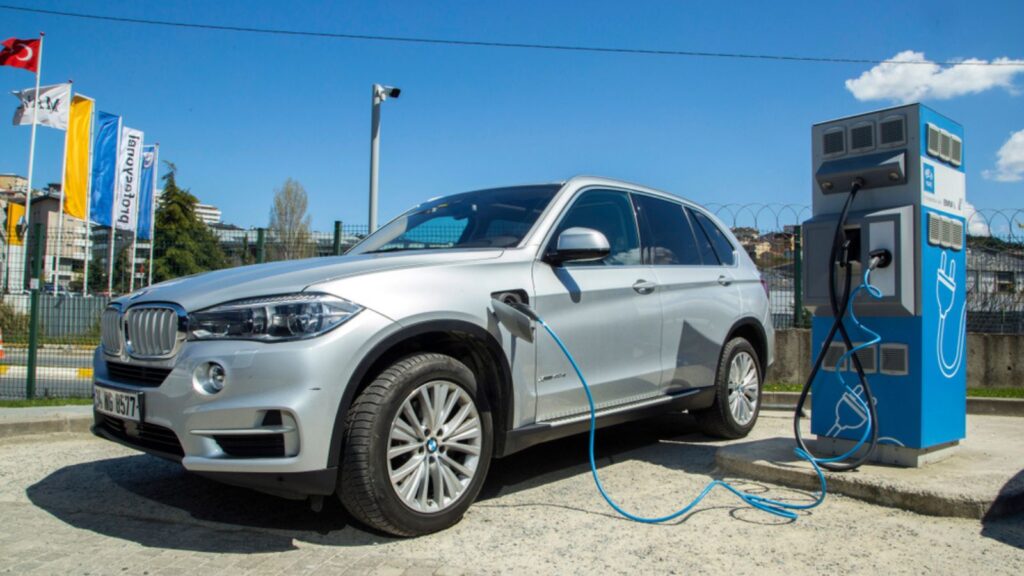
People across the U.S. travel an average of 42 miles per day. Considering the average all-electric range from plug-in hybrids is about 40 miles, relying on gas for short trips is a mistake. For short commutes, use the battery power and save the gas for longer trips.
Ignoring Seasonal Range Variability

It’s important to consider how the weather can impact electric range. Plug-in hybrid owners who haven’t done their homework might not understand the impact of extremely hot or cold temperatures on the battery. You could be disappointed when the temperature does a number on your battery range.
Avoid These Mistakes if You Own a Plug-In Hybrid

While plug-in hybrids are popular, your ownership experience might not be great if you make any of these mistakes. If you go about things the right way, you will likely avoid buyer’s remorse.
More From Driver’s Drift

16 Used Cars That Will Outlast Most New Cars on the Dealership Lot

12 Affordable Sports Cars That Can Go Head-to-head With the Porsche 911

14 Cars That Consistently Fail Crash Tests

16 Used Cars Known to Last Over 500,000 Miles


