
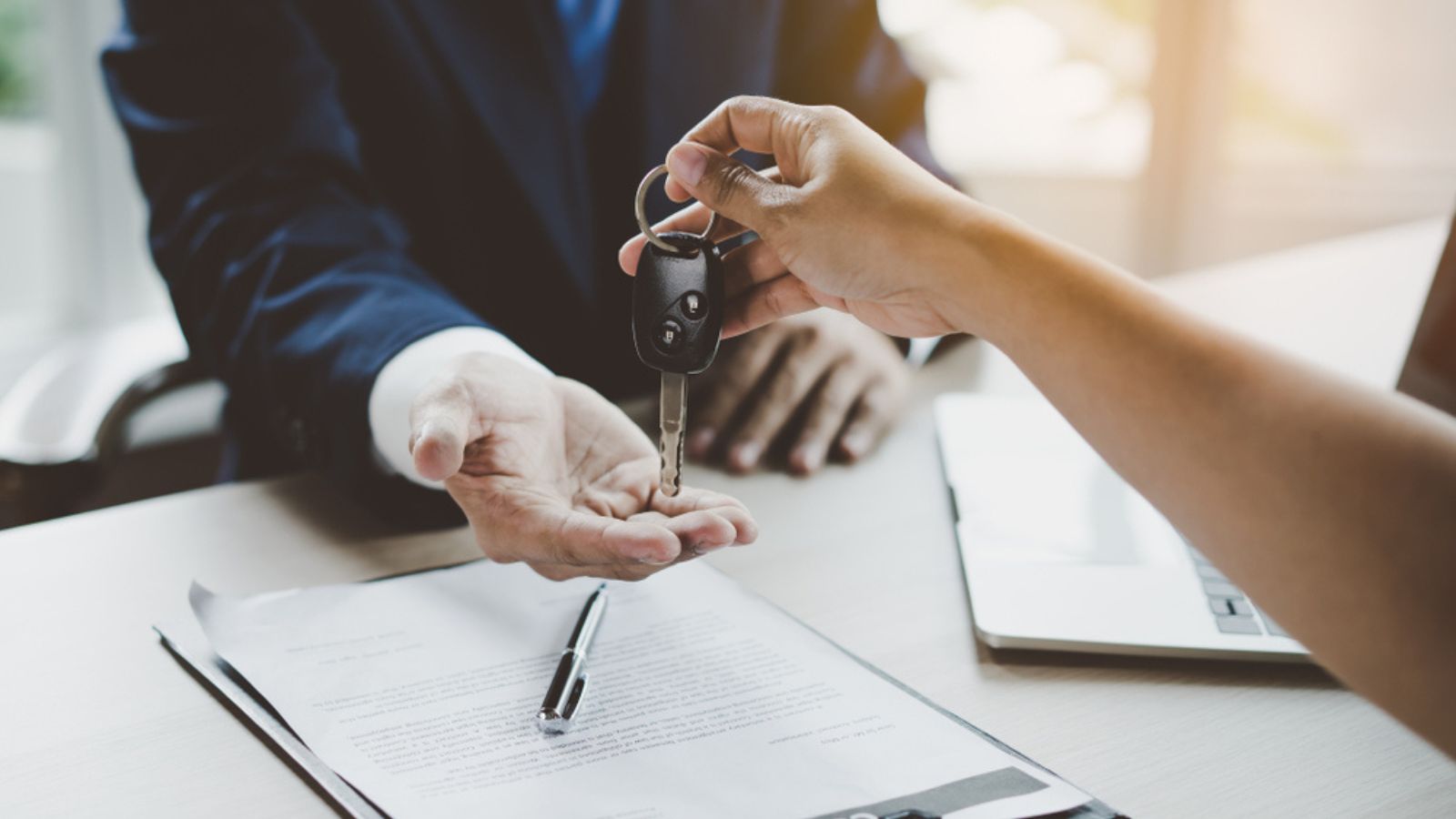
More than one-fifth of new vehicles in the U.S. were leased last year, according to Statista.
There are reasons to consider leasing your next car. For instance, the car dealership will take much of the depreciation hit. Leasing also makes sense if you want to drive a new car every few years. Even so, there are more reasons to be wary of leasing over financing.
Here are 16 reasons why leasing a car versus owning one is a bad deal.
You Don’t Really Own a Leased Vehicle

When leasing a vehicle, you don’t own the car. You have the right to use it over the two or three years of the lease agreement, but the car isn’t yours. It’s hard to justify spending money month after month and year after year for something you’ll have to give back at the end of the lease.
You Will Face Mileage Caps

The Federal Highway Administration reports that the average American drives about 14,263 miles annually. Meanwhile, most leases limit the number of miles to 12,000 to 15,000 annually. If you exceed the allotted amount, you’ll pay more for every mile over the limit.
You’re Still Locked Into a Multi-Year Deal

Whether you sign a financing or leasing agreement, you’ll still be locked in a multi-year transaction. It makes more sense to enter an arrangement that will at least leave you owning the car. You’ll have to return the vehicle after a lease is completed.
You’ll Pay a Higher Interest Rate When Leasing

You’ll pay a higher interest rate on a lease than a car loan. The reason is that a lease offers no collateral since you don’t own it. Lenders offset this risk by charging more for a lease than a car loan.
You’ll Face a Huge Penalty If You Want to End the Lease

Have you ever tried to break a lease early? It’s not a pretty situation. Depending on the leasing company involved, you might have to pay off the remainder of the lease to terminate it. Otherwise, you could be subjected to substantial break fees to terminate the agreement.
You Can’t Trade In a Leased Vehicle to Upgrade

Another reason to avoid leasing is that you can’t trade in a leased car for a new vehicle. Remember that you don’t actually own a leased car — you just have the right to use it. But if you finance a car, you can trade it in towards something else at the end of the agreement.
You Aren’t Free to Customize a Vehicle

You’re not free to do whatever you want with a leased vehicle — just like you can’t do as you please with a rented apartment. So, proceed carefully if you’d like to customize your ride for better aesthetics or functionality. You could face steep penalties if you customize the car.
You’re Still on the Hook for Lease Payments if the Vehicle Is Totaled

If your leased car is totaled in an accident, your lease payments continue even though the vehicle is no longer operable. You’ll be on the hook for the entire amount owed. That’s one reason to get insurance with coverage that kicks in should your leased car get totaled.
You Still Have to Pay for Maintenance and Repairs

Don’t think that by leasing a vehicle, you won’t be on the hook for maintenance and repair costs. You’ll have to shoulder responsibility for the vehicle’s upkeep and must have proof of service.
You’ll Pay Higher Insurance Premiums

Your insurance premium will be higher if you lease a car than if you finance one. The reason is you must obtain full coverage. Car dealers aren’t in the business of losing money. Your lease contract will include a provision to buy full coverage so the car can be repaired if damaged.
You Might Be Paranoid

If the car isn’t delivered to the car dealership in pristine condition at lease’s end, you could be on the hook for a nasty bill. That could leave you paranoid since you’ll fret over any blemish on or in the car. Some wear and tear is acceptable, but anything beyond that will cost you.
You Can’t Escape Depreciation

While financing a new car means dealing with a huge depreciation hit, you’re not completely protected from depreciation if you lease. The monthly lease amount won’t decrease to accommodate depreciation. So, if locked into a three-year lease, you’ll be paying the same monthly amount for 36 months even though depreciation will lower the value of the car.
You’ll Have a More Complicated Contract to Deal With

Leasing is anything but simple compared to buying a car. When signing a lease, you’re paying for the vehicle’s lost value over the length of the contract. And there’ll be extra fees on top of that. Ask plenty of questions if leasing so you know what you’re getting into.
You Might Pay More to Lease than to Finance

While some pursue leases to save money, it might cost more to lease than buy a car. The reason is that making lease payments means paying for the vehicle at the height of its lofty depreciation stage.
You Might Face Higher Maintenance Costs

Some people like leases because it means they can get behind the seat of a luxury car they otherwise couldn’t afford. But maintenance could cost an arm and a leg if you’re on the hook for things like premium tires or other wear-and-tear items on a high-end vehicle.
You Might Be Without a Car for a While if You Exceed the Allowable Miles

What do you do if you reach the number of allowable miles and don’t want to incur extra fees? It might mean parking the vehicle for a while. That can be a bummer if you need a car to drive.
Leasing Doesn’t Make Sense for These Reasons

If you’re tempted to sign a lease rather than buy a vehicle, give your head a shake. While there are some situations when a lease might make sense, there are more cons than pros.
More From Driver’s Drift
15 Common Tire Brands That Don’t Deliver on Quality
15 Cars Likely to Become Headache-Inducing Money Pits After About 100,000 Miles

15 Deceptive Tactics Car Salespeople Use to Seal the Deal

15 Used Cars to Avoid Like the Plague


