

All you have to do is visit a gas station to see that more motorists drive gas cars than diesel ones. Car and Driver says diesel packs more energy per gallon than gas, while Progressive adds that diesel engines are usually more fuel efficient than their gas counterparts.
Are You Looking for a New Car with a Diesel Engine?
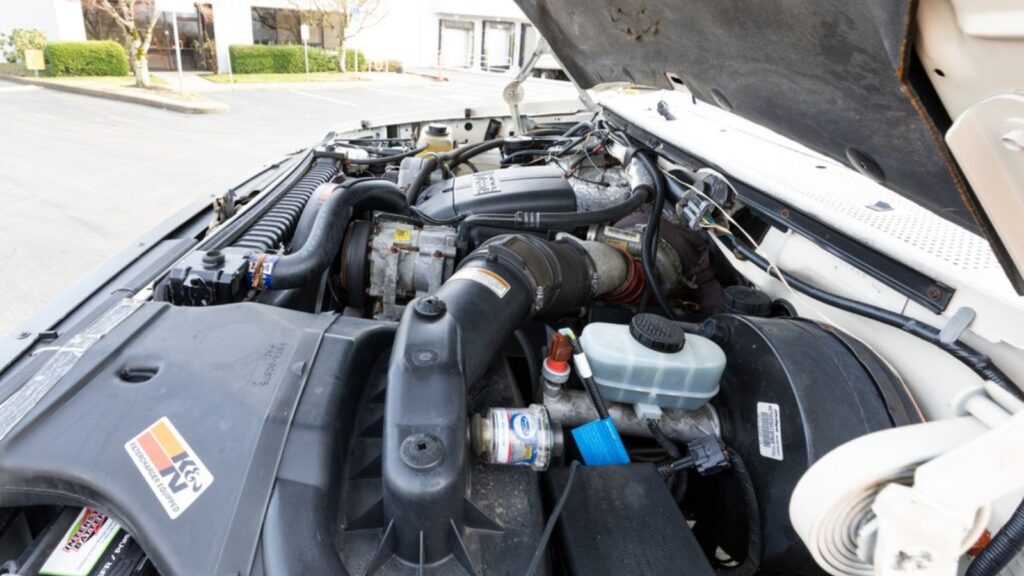
Carfax reports that consumers seeking wagons, sedans, and hatchbacks with diesel engines will have to settle for used options. While carmakers still manufacture SUVs and trucks with diesel engines, sedans with diesel engines were discontinued in the U.S. after 2019. That’s a bummer if you want a new diesel car.
Diesel Trucks and SUVs are Popular
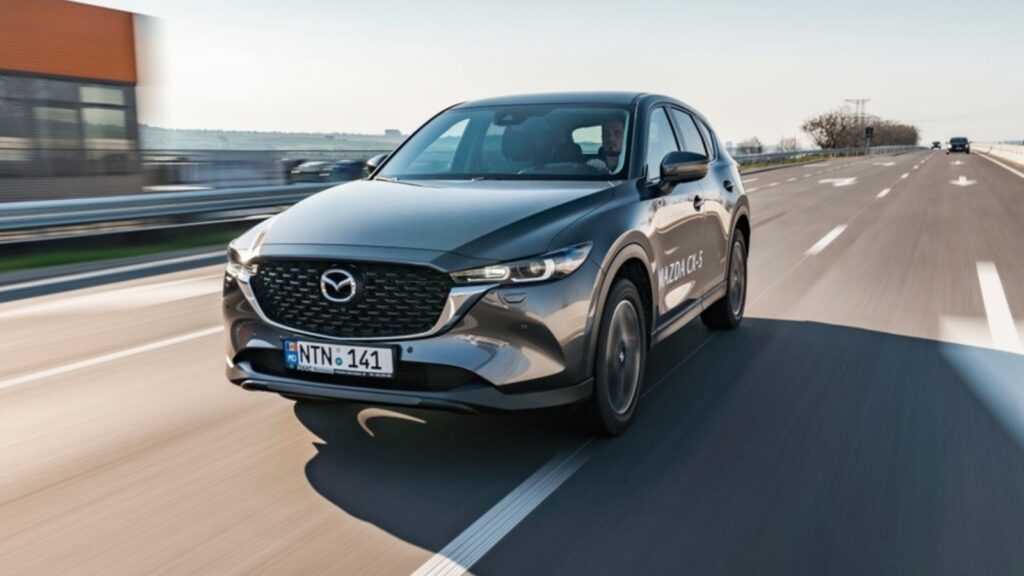
One reason truck and SUV drivers want diesel engines is that they produce lots of power and low-end torque. Diesel engines are especially great for towing and hauling heavy equipment. Some serious haulers won’t even consider vehicles with gas engines.
However, despite the many benefits of diesel engines, there are 14 downsides to owning a diesel car that no one wants to discuss.
Higher Initial Cost

According to one source, the resale value of a diesel car is around 30% more than a gas car. And that’s just resale value. You can also expect the upfront cost for a brand-new diesel to be higher than that of a gas vehicle. If you’re not turned off by the higher sticker price for a diesel engine, a diesel vehicle can be a good investment.
Higher Repair Costs
Servicing a diesel engine is costlier than servicing a gas engine. Pro RV repair, for instance, says that an oil change for a Class A Motor Coach equipped with a gas engine costs $170, but the same vehicle with a diesel engine costs $450.
Whether buying a car, truck, SUV, or motorhome, a diesel engine will be more expensive to maintain and fix than a comparable gas engine.
Cummins says diesel engines can last 400,000 to 1,000,000 miles, compared to the 200,000-mile lifespan of the average gas engine. So, owning a diesel car will require many costly oil changes.
Cold Weather Issues

While newer diesel engines can handle winter weather rather well, older ones may need help to start when the temperatures drop. Fuel additives or plugging in a block heater can help in such cases.
Limited Fuel Availability

It can take a lot of work to find fueling stations selling diesel. It’s not that they’re not out there but that they are rarer than gas fueling stations. More people drive vehicles with gas engines than diesel engines, so it’s not a big surprise that fewer diesel fuel pumps exist.
If you’re out and about and find a lineup at the only diesel pump at the fueling station, you might wonder whether driving a diesel is worth it.
Noisy Engines

Diesel engines in older cars can be loud. But you can get modern vehicles equipped with diesel engines that aren’t noticeably louder than a gas car. It all depends on how old the car or engine is. An older car with a less-than-modern engine might leave you wishing you had sound-canceling earmuffs.
Rougher Idle

Do you like a vehicle that offers good comfort and handling? One thing you might not know about diesel engines is that they have a rougher idle than gas engines. This means you’ll feel the cabin vibrations more. If a rougher idle gets to you, tread carefully if you’re looking for a diesel engine.
Higher Insurance Premiums

Diesel vehicles are not only more expensive than comparable gas cars, but they also cost more to insure. Truck Ranch says insurance for diesel trucks is usually 10% to 15% higher than insurance for gas trucks.
Fuel Quality Sensitivity

Another aspect of diesel engines that no one discusses is fuel quality sensitivity. Diesel engines can be sensitive to fuel quality, which means poor-quality diesel can do more harm than good. Using the wrong fuel grade could cause performance problems or expensive repairs.
Environmental Restrictions

Depending on how old your diesel car is, you might find owning and operating it a cost-prohibitive ordeal. Some jurisdictions have restrictions or extra fees on diesel vehicles because of higher nitrogen oxide emissions, which can make them expensive to own in urban areas.
Limited Availability of Models
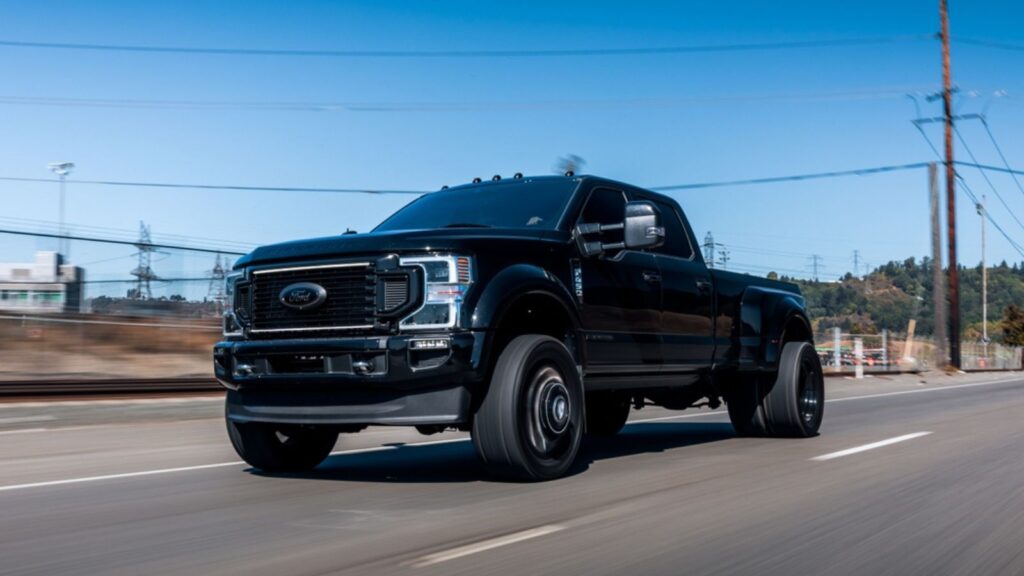
Compared to gas engine vehicles, diesel engine vehicles are rare. If you’re looking for brand-new diesel-engine SUVs and trucks, you’ll find they are few and far between.
Heavy Engine Weight
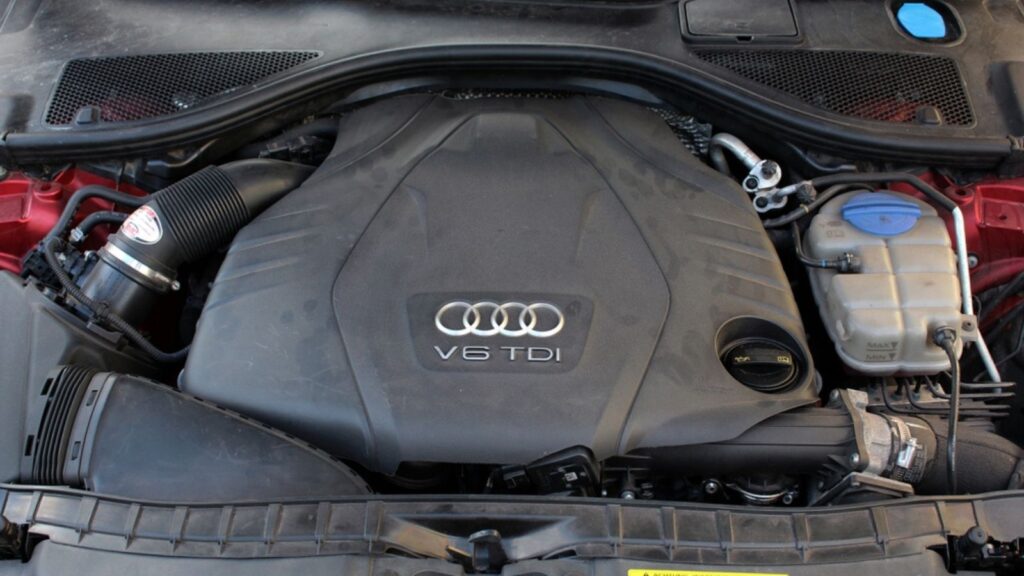
Diesel engines are typically heavier than gas engines, adversely impacting ride quality, agility, and handling. You’ll notice this, especially if you have a smaller diesel car.
Longer Warm-Up Times

Owning an older diesel engine might mean longer warm-up times. If you’re used to getting into a vehicle with a gas engine, starting it up, and getting on your way immediately, you’ll need more patience with an older car with a diesel engine. The vehicle could take a while to achieve operating temperature during the cold winter months.
Higher Particulate Emissions

Diesel engines are less environmentally friendly than gas engines. If you want to reduce your carbon footprint, you should probably avoid driving a diesel car. Diesel engines usually generate more particulates than their gas counterparts, compromising air quality.
Fewer Hybrid Diesel Options
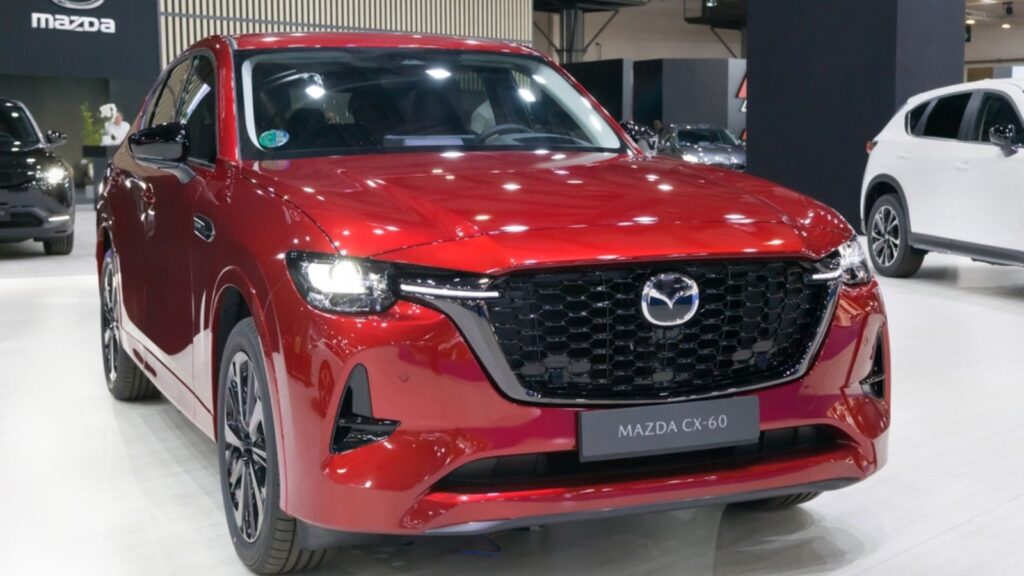
It’ll be a long search if you’re looking for hybrid diesel vehicles. While it’s easy to find hybrid gas vehicles, it’s much harder to find hybrid diesel vehicles. They’re out there somewhere, but you’ll have to hunt for them. And you’ll see there isn’t the variety there is with hybrid gas cars.
You Need to Know the Nitty-Gritting About Diesel Cars

There are many good things about diesel engines, which is why some people swear by them and won’t drive anything else. However, there are some downsides to owning a diesel car that people seldom mention.
More From Driver’s Drift

15 Classic Cars That Still Fly Off the Lot

16 Used Cars That Will Outlast Most New Cars on the Dealership Lot

12 Affordable Sports Cars That Can Go Head-to-head With the Porsche 911

16 Used Cars Known to Last Over 500,000 Miles


