

The legwork required to purchase a vehicle is significant since, for many people, it involves spending their lifelong savings. This is when most of the buyers become prey to lucrative and too-good-to-be-true offers. Little do they know that so many scammers are ready to feed on them. However, being aware of common automotive scams can save you from costly mistakes and a lifetime of remorse.
Odometer Rollback
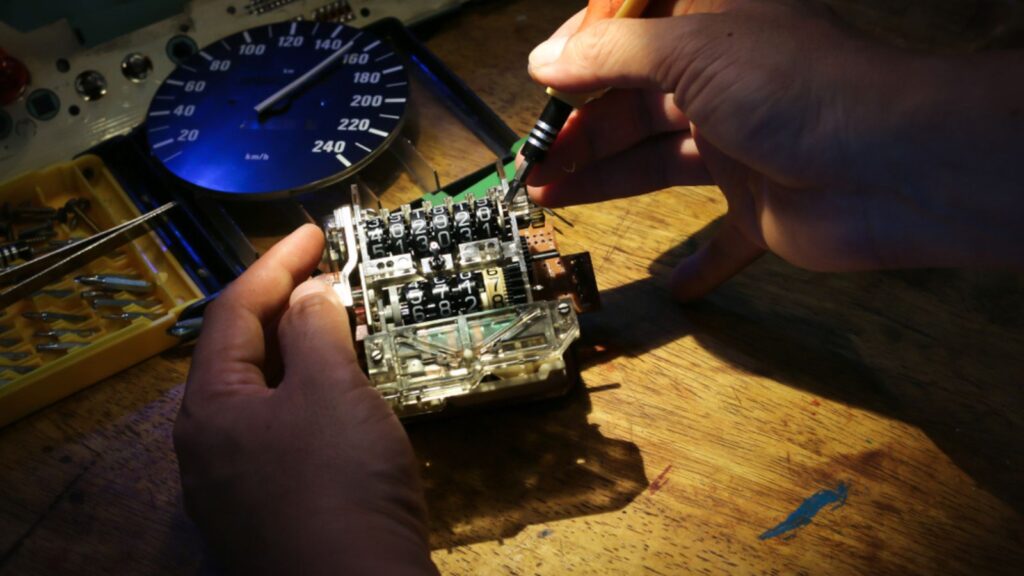
Odometer fraud, busting miles, and clocking are different names for the same scam, which is more common than you might think. The NHTSA estimates that around 450,000 vehicles are sold yearly with false odometer readings.
This illegal practice involves rolling back the odometer, resulting in mileage readings lower than the car has travelled. The primary motivation for this tampering is to increase the vehicle’s sale price.
Hidden Damage

This is another trick to deceive buyers. It involves hiding the damaged car parts with fresh paint or temporarily repairing parts to make the car look good on the surface. But what’s inside often remains hidden from the buyers until after the purchase, when it’s too late to back out or get a refund.
Bait-and-Switch

This scam usually starts with too-good-to-be-true deals so people can visit the dealership. But when you visit, they tell you the car is either sold or no longer available. Since you are there, the dealership will try to convince you to buy a newer version of that advertised vehicle or offer you a more expensive model. Anyone who practices bait-and-switch has opted for a deceptive practice and violates the FTC Act.
False Advertisement

False ads mean fraudsters post online ads for cars that either don’t exist or aren’t for sale. They usually have attractive prices to catch attention. But when the buyers show interest, the scammer might ask for a deposit or full payment upfront. You know what happens next.
Once the money is sent, the scammer disappears. The scammers don’t do it just for money. They may ask for personal information, such as your Social Security number, driver’s license, or bank account details, under the pretext of processing the car sale. They use this information to commit identity theft.
Title Washing

This is another illegal and deceptive act which involves removing negative information, such as flood damage and salvaged status, from a car title to inflate its value. Usually, such cars are transported across provincial lines to get a new title.
The risk lies not only in overcharging but also in posing a safety risk to anyone who purchases the car. This is because even a complete repair cannot fix many small defects in the vehicle.
Car Cloning

The National Insurance Crime Bureau (NICB) considers vehicle cloning a hard-to-identify scam. Just like fingerprints, a Vehicle Identification Number (VIN) is each car’s unique identity. But criminals steal the car’s identity, too.
They replace a salvaged vehicle’s VIN with another vehicle’s, usually from the same make, model, and color. So, when they sell the vehicle with the fake VIN, it looks legitimate on paper, but the buyer actually gets a car with a dark history, like being stolen.
Down Payment Stealing

Leasing scams are varied. One common scam is where a dealer might ask you to make an initial payment but not include it in the lease contract. When there’s no official record of it, the dealer can simply keep the money. This is how your down payment goes down the drain without any credits towards your lease.
Money Factor Lie

An even more heinous leasing scam is a money factor lie. The “money factor” in leasing is the financing cost of a monthly lease payment and is similar to an interest rate – and it’s important to know the difference. The money factor is a small decimal and should be shown as such, whereas the interest rate is a percentage. A deceitful sales person will count on you not knowing the difference. For example, a rate of 2.5% is not the same as a factor of .0025 and when the dealer uses the latter to calculate your lease payment, he or she ends up overcharging you. As a result, you have to pay much more over the lease term without realizing it.
Hidden Charges

Some dealers initially offer vehicles at attractive prices to get you in the front door. When you actually do, they would quietly sneak in extra charges on the loan agreement when financing the car, and you would get to know about it only after agreeing to purchase the vehicle. This may include administrative costs or add-on services, like extended warranties.
Cut and shuts (Frankencars)

Cut-and-shuts are the most hazardous automotive scam. It involves welding together two or more cars to make one good vehicle. It may seem like the welder is trying to recycle vehicles, but this is far from reality. The vehicle parts used here are write-offs and may have been involved in serious accidents.
The welding work is substandard, which seriously compromises the integrity of the vehicle. The scary part is that spotting a cut-and-shut is challenging, so you need to assess each part carefully when buying a used car.
Fake Certification Labels
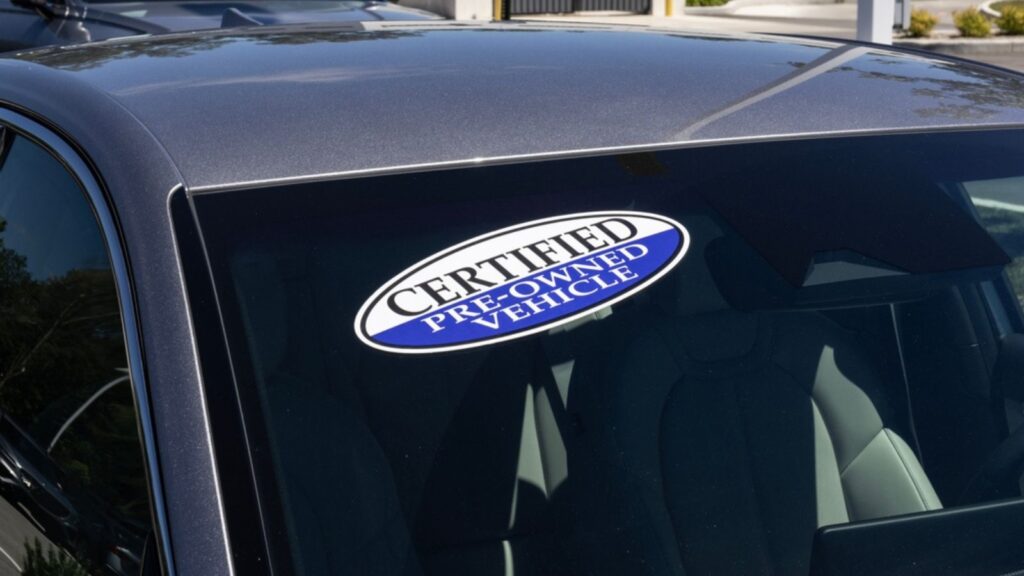
Many dealers present fake vehicle certificates and make the vehicle appear as certified pre-owned (CPO). Considering the certificate, buyers believe that the vehicle has passed a thorough inspection and meets the manufacturer’s standards – often paying a premium for it. When the car starts having issues, the buyer realizes that the certificate is counterfeit and that the vehicle hasn’t been thoroughly inspected or serviced.
Rushing through Paperwork

When a dealer tries to rush you through the sales process and paperwork, they are likely cooking something. They usually do this to prevent you from noticing unfavorable loan terms and deceptive clauses in the contract. When the seller moves too soon or sells fast for reasons like shifting, there’s a high chance he is a scammer.
Third-Party Scam

Some people are professional scammers, so they go to the next level and pretend to partner with well-known used car websites like Edmunds, CarMax, and eBay Motors. They create fake, convincing websites that look just like the real ones.
This way, they ensure the buyers that the platform will oversee the transactions. Little do the buyers know they are all fake connections to trick them into stealing their money and personal information.
Discounts on Direct Payment

Even if everything, from the dealer to the vehicle, looks like a green flag, there are still chances of getting scammed at the last minute. Instead of getting payment through the website that connects the buyer and seller, fraudsters ask buyers to send the payment directly to their bank account, and in return, they will offer a discount. The offer seems lucrative and many buyers fall into the trap. However, since they go off-site, platforms will not be responsible.
Curbstoning

Curbstoning is when a random person or unlicensed dealer disguises themselves as a private seller in order to evade regulation. They can sell defective cars without abiding by the Lemon Law.
Usually, the person selling the vehicle is not the actual owner of the car. The problem with curbstoning is that the seller might hide important details about the car, like past accidents or uninsurable vehicles. Since they are not licensed dealers, they don’t really have to abide by the dealer rules, which makes it risky for the buyer. By the time the buyer has transferred the payment, the curbstoner is long gone with their cash.
Yo-Yo Financing

How would you feel about getting a vehicle at a lucrative price only to have it retracted after a few weeks? Guess what? That’s a very common scam called “yo-yo financing,” and it is illegal in all states.
Yo-yo financing is actually dealerships misusing spot delivery, which allows delivering the vehicle to the buyer before the financing process is completed. The dealer might offer favorable terms such as a lower interest rate or good deal on your trade-in, all of which are too good to refuse. The buyer would sign the paperwork and be allowed to leave with the car, only to be summoned back to the dealership in a few days or weeks to say that the original terms fell through and that they need to renegotiate the terms.
While spot delivery was intended to help people make deals during off-business hours, some unscrupulous dealers take advantage, and this back and forth re-negotiating with the buyer is where the scam gets its name.
More From Driver’s Drift

15 Common Tire Brands That Don’t Deliver on Quality

15 Cars Likely to Become Headache-Inducing Money Pits After About 100,000 Miles

15 Deceptive Tactics Car Salespeople Use to Seal the Deal

15 Used Cars to Avoid Like the Plague


Zainab Noor is a motoring journalist. Childhood rides in Nissan Almera fueled her love for cars. After graduating from AIOU in 2021, she steered her passion into freelance writing. You can find Zainab on LinkedIn.


